When Is the Best Time to Go on Safari in Kenya?

Dreaming of a Kenyan safari? Timing can make all the difference. While Kenya offers fantastic wildlife viewing year-round, the best time to go on safari is during the dry season from June to October. Animals gather around waterholes, the bush thins out for easy spotting, and the Great Wildebeest Migration fills the Masai Mara with breathtaking drama.

If you prefer fewer crowds, January to February is another excellent option, with warm weather and superb game viewing. That said, every season in Kenya has its own charm, from lush green landscapes during the rains to peak migration spectacles in late summer.

In this guide, we will break down the best times to visit depending on what you want to experience, plus a month-by-month safari calendar to help you plan your Kenya itinerary.

Picture of Edited by Sharon, Regional Expert in Kenya

Edited by Sharon, Regional Expert in Kenya

Reviewed with our Kenya specialist to add authentic knowledge of wildlife and traditions.

Table of Contents

Quick Answer – Best Time To Visit Kenya by Interest

The best time to go on safari in Kenya depends on what you want to experience. Use this quick-reference table to find the season that matches your travel goals:

Safari Goal

Best Months

Why It’s Great

Great Migration

July to October (peak in Aug to Sep)

Witness massive herds in the Masai Mara and dramatic river crossings

Big Five Viewing

June to October, Jan to Feb

Dry conditions make animals easier to spot around waterholes

Birdwatching

November to April

Migratory species arrive, plus rich resident birdlife

Photography

April to May

Green landscapes, moody skies, newborn animals

Family Safaris

June to September

Reliable weather, school holidays, family lodges fully open

Budget-Friendly

March to May, November

Lower lodge rates, fewer tourists, lush green scenery

Understanding Kenya’s Safari Seasons

Kenya’s safari calendar does not follow the four traditional seasons. Instead, the rhythm of the year is shaped by alternating wet and dry periods. Each brings its own safari character, with some months perfect for clear skies and wildlife action, while others reward you with quieter parks, lush greenery, or migratory birds. Here is how the year unfolds, from January to December.

January to February: Hot, Dry, and Wildlife-Rich

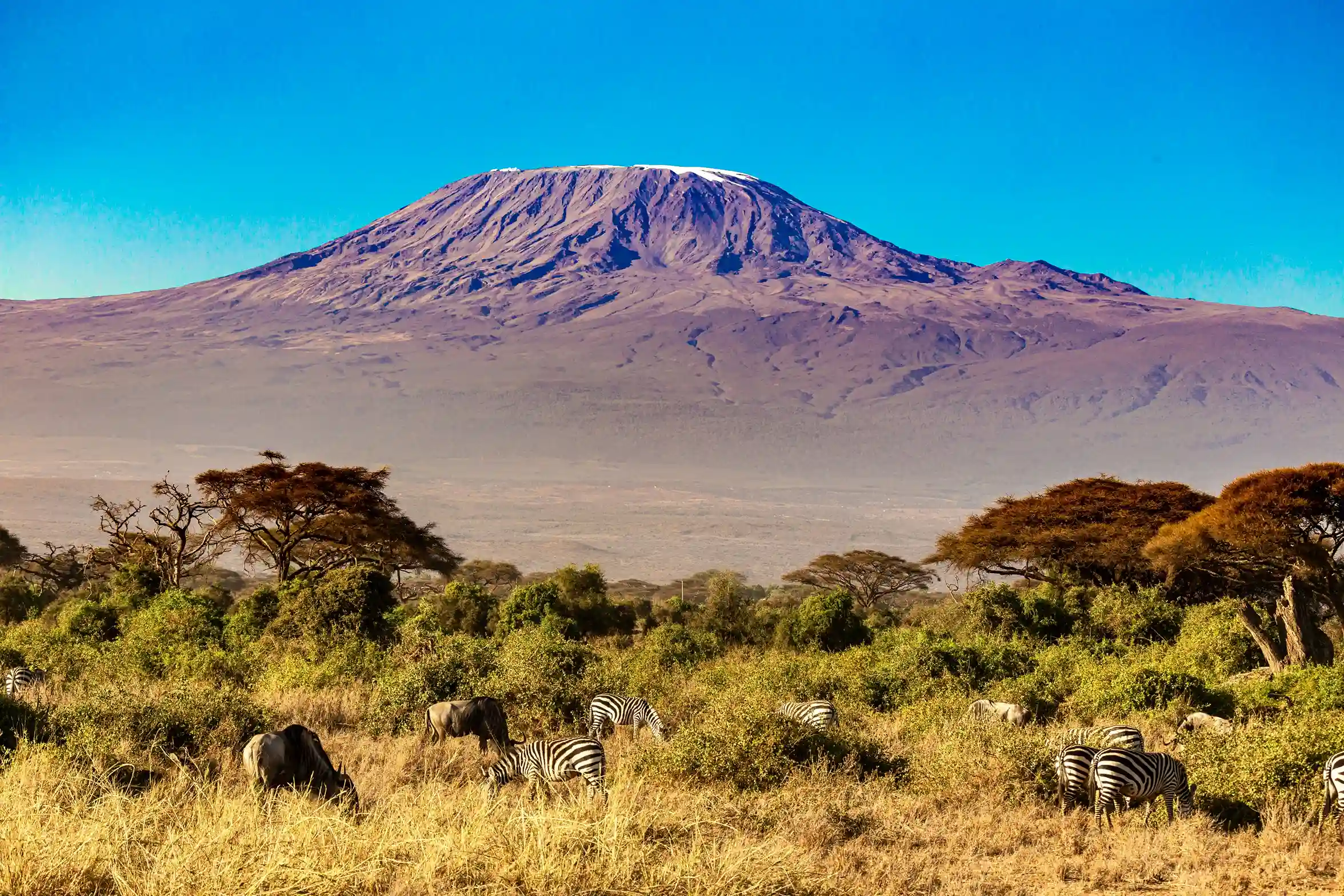
Zebras and wildebeest grazing in a lush field with the snow-capped Mount Kilimanjaro in the background.

The year begins with a short, hot dry spell. Days are warm, rain is scarce, and wildlife is easy to spot around dwindling waterholes. These months are excellent for game drives, especially in the Masai Mara and Amboseli, where elephants and big cats are highly visible. It is also a good time to climb Mount Kenya or combine your safari with a few days on the coast, where the beaches are sunny and inviting. For travelers who prefer to avoid peak crowds, this is one of the best windows of the year.

March to May: The Long Rains

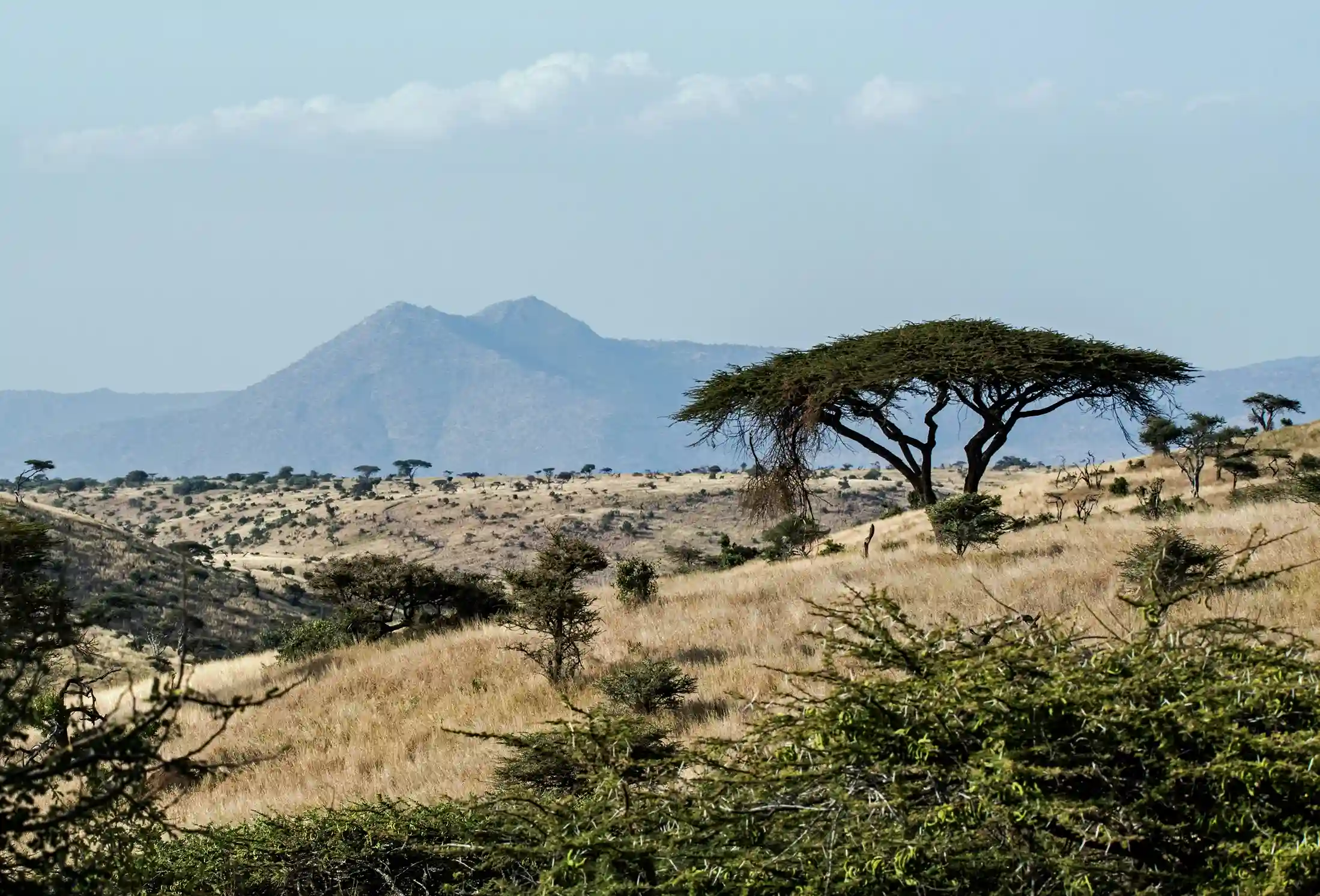
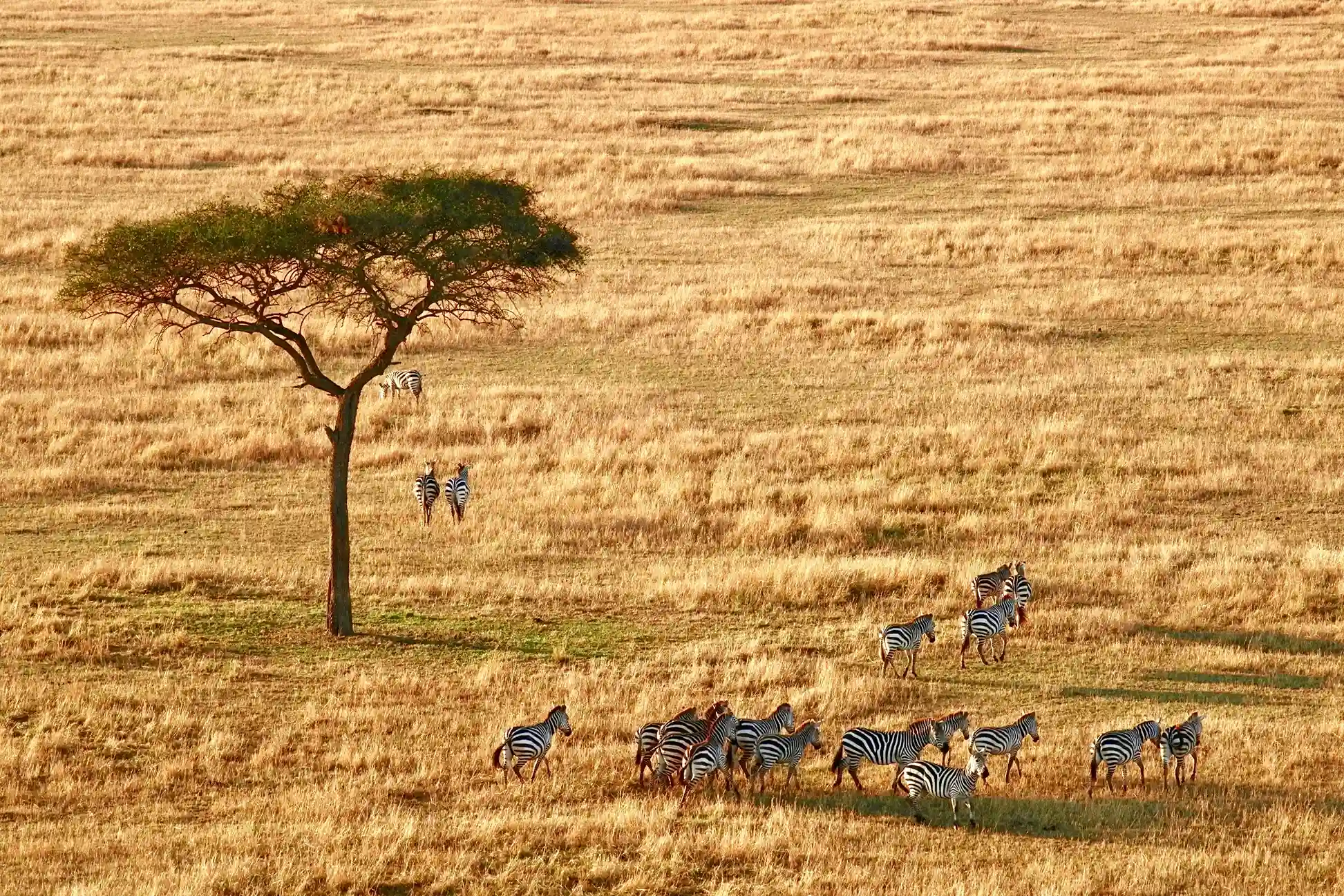
A dry savanna landscape with a large acacia tree and distant mountains under a blue sky.

By March, the skies begin to shift. The long rains roll in, peaking in April and May, the wettest months of the year. This is not the easiest time for game drives, as roads can turn muddy and some lodges close, but there are rewards for those willing to brave the weather. The landscapes turn a rich, emerald green, newborn animals dot the plains, and photographers find dramatic skies and dust-free backdrops. It is also the most affordable time to travel, with off-season rates and far fewer tourists in the parks.

June to October: The Classic Safari Season

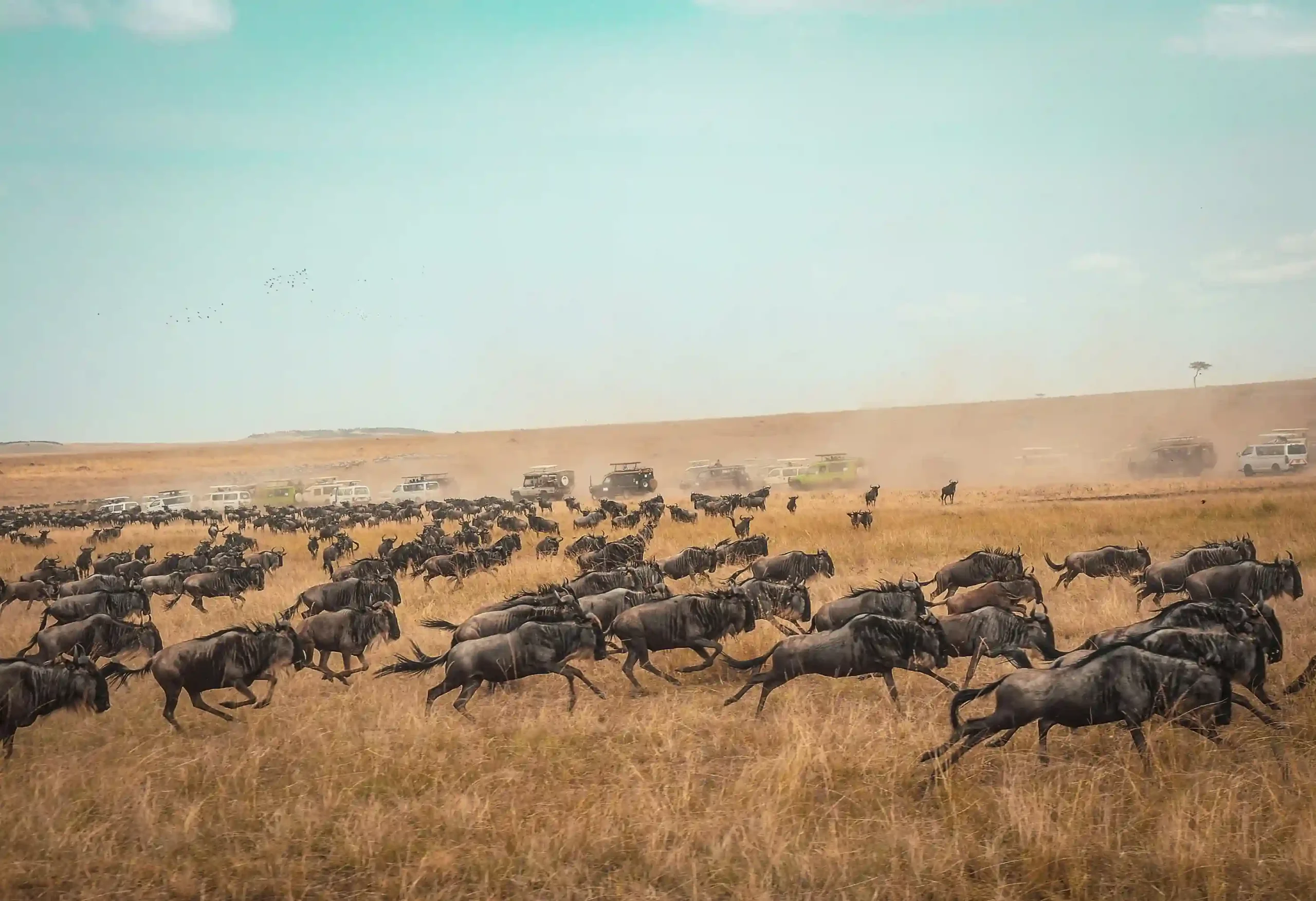
A large herd of wildebeest running across a dusty, golden grassland during a migration, with safari vehicles in the background.

June marks the start of Kenya’s long dry season, and with it, some of the best safari conditions anywhere in Africa. The bush thins out, water sources shrink, and wildlife becomes highly concentrated, making sightings reliable and spectacular. This period is also home to one of nature’s greatest shows: the Great Wildebeest Migration. From July through October, over a million wildebeest and zebra flood into the Masai Mara from Tanzania, culminating in the famous river crossings of August and September. While this is peak safari season, with higher prices and more visitors, it is also when Kenya delivers the iconic “Out of Africa” safari experience.

November to December: Short Rains and Migratory Birds

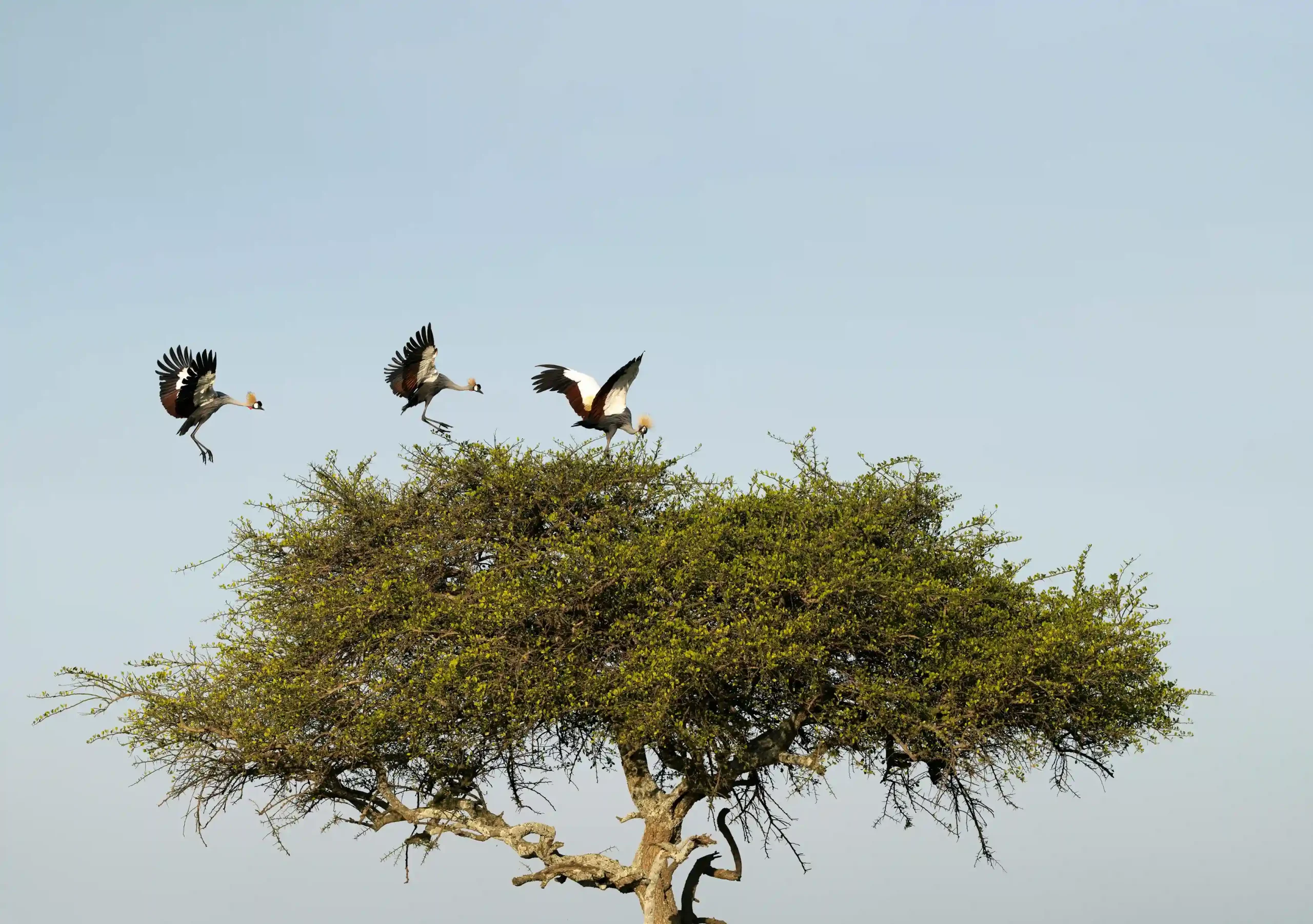
Three crowned cranes in various stages of taking off from a green, bushy tree

The year ends with the short rains. Unlike the heavy downpours earlier in the year, these showers are usually brief and fall in the late afternoon, leaving much of the day clear for game drives. Wildlife remains active, and birdwatchers are especially rewarded as migratory species arrive in huge numbers. Camps and lodges generally stay open, and visitor numbers dip compared to the migration months, making this a great time for those who prefer a quieter safari without sacrificing wildlife action.

Your Trip, Your Way

Pick from our curated packages for an easy start, or work with our specialists to design a custom itinerary that fits your group perfectly.

Month-by-Month Guide to Kenya Safaris

Now that you know how Kenya’s safari seasons work, here’s a month-by-month breakdown so you can match your travel dates with the experiences you want:

  • January – Hot, dry, and excellent for game viewing. Great time for a safari and beach holiday.
  • February – Still dry, with fantastic wildlife sightings in the Mara and central Kenya. Best for climbing Mount Kenya.
  • March – Rains begin. Wildlife still active, but fewer tourists and lower rates.
  • April – Wettest month. Tough driving conditions, but lush landscapes and great photography.
  • May – Still rainy, but greenery is stunning. Budget-friendly travel window.
  • June – Start of the long dry season. Wildlife viewing improves daily.
  • July – Migration herds arrive in the Masai Mara. Prime safari time.
  • August – Peak migration. Famous for dramatic river crossings.
  • September – Dry and reliable for safaris, with fewer crowds than August.
  • October – Migration begins to taper off, but resident wildlife keeps sightings strong.
  • November – Short rains return. Good for birdwatching and lower prices.
  • December – Hot with some rain. Excellent for birds and holiday safaris

Ready To Plan Your Safari to Kenya?

Kenya offers unforgettable safari experiences year-round, but the best trip is the one that matches your travel style and timing.

Browse our handpicked and curated Kenya safari packages, designed to showcase the best experiences you can have there

Frequently Asked Questions

Is Kenya good for safari year-round?

Yes. Wildlife is always present, but visibility and experiences vary. The dry months (June to October, January to February) are easiest for game viewing, while the rainy months bring lush scenery, birds, and lower costs.

March to May and November are the most budget-friendly. These “green season” months have fewer tourists and discounted lodge rates, though April and May can be very wet.

Typically from July to October, peaking in August and September in the Masai Mara. Expect dramatic river crossings and massive herds of wildebeest and zebra.

If your focus is game drives, avoid April and May. The long rains make roads muddy, some lodges close, and wildlife viewing can be harder.

January to February and June to October are great for pairing a wildlife safari with beach time on Kenya’s Indian Ocean coast.