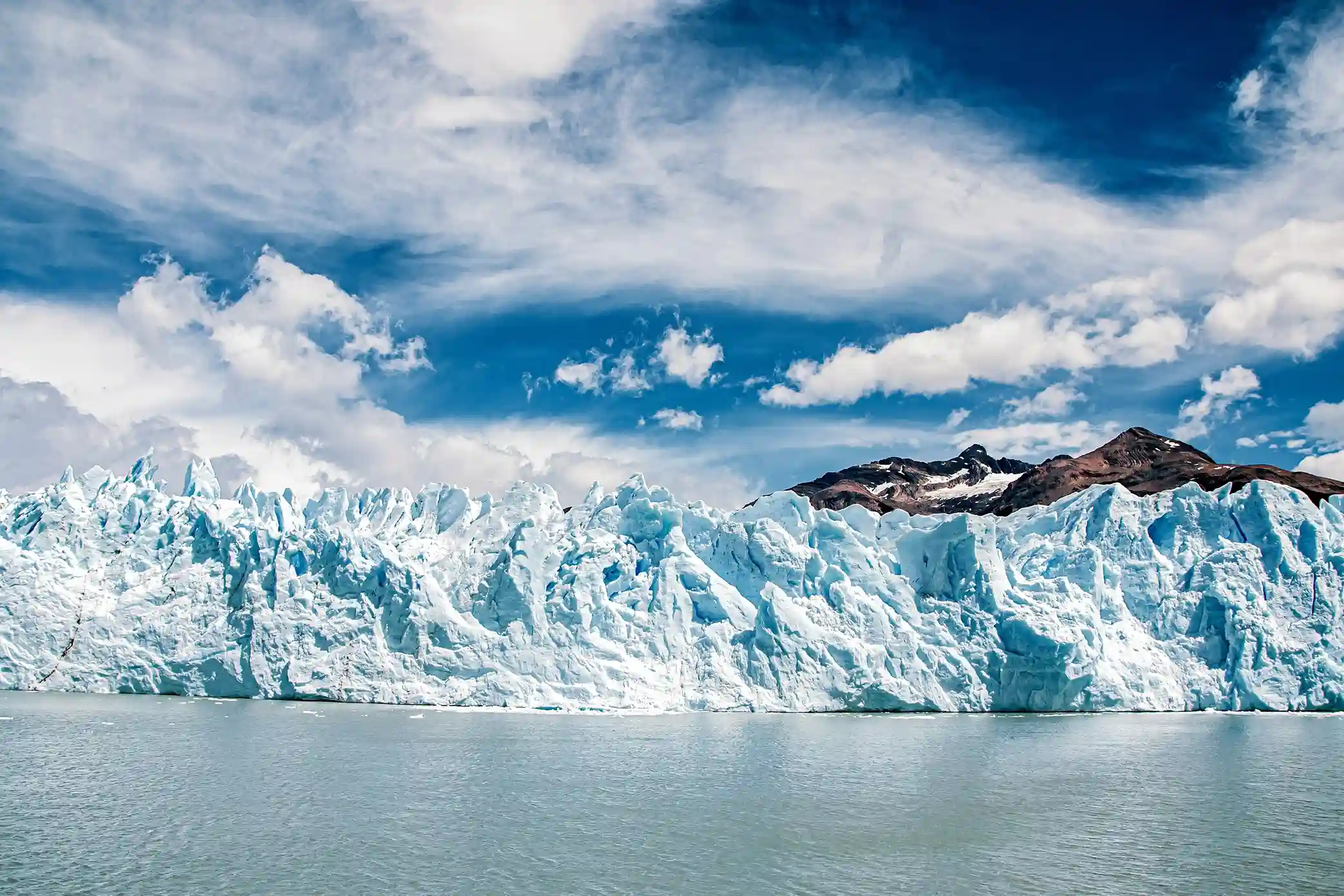

A wide, expansive glacier wall with a rough, icy texture, a mountain visible in the background under a blue sky with scattered clouds.

The Ultimate Patagonia Travel Itinerary (7 to 14 Days)

Patagonia is a vast region shared by southern Argentina and Chile. It’s home to world-famous highlights such as the Fitz Roy range in El Chaltén, the Perito Moreno Glacier near El Calafate, and Chile’s Torres del Paine National Park. Because distances are long and weather conditions change quickly, having a clear plan is the best way to enjoy your time here.

In this guide, you’ll find:

  • A day-by-day Patagonia itinerary with options for 7, 10, and 14 days
  • Quick highlights at a glance for easy reference
  • Practical tips on when to visit, how to get around, and where to stay
  • Advice on packing, border crossings, and booking logistics

Whether you want to hike every day or focus on the main sights at a relaxed pace, this itinerary will help you make smart choices, reduce travel stress, and see the best of Patagonia from Argentina to Chile.

Picture of Edited by Lucas, Regional Expert in Argentina

Edited by Lucas, Regional Expert in Argentina

Reviewed with our Argentina specialist to ensure local cultural and travel insights.

Table of Contents

How To Use This Itinerary

Every traveler comes to Patagonia with different goals. Some want to hike every day, others want to see the highlights without too much trekking, and some simply want to enjoy the scenery at a slower pace. This itinerary is designed to be flexible so you can adapt it to your own style and timeframe.

Here is how to get the most out of it:

  • Choose your timeframe: The core plan works for 12 to 14 days, but we highlight shorter options if you only have 7 or 10 days.
  • Pick your pace: Love long hikes? Focus on the multi-day treks in Torres del Paine or El Chaltén. Prefer lighter activity? Choose the day hikes and boat tours instead.
  • Mix and match: Each region has several must-see highlights. You can swap in activities that suit your interests without losing the flow of the trip.
  • Follow the order: The sequence is designed to reduce backtracking and make border crossings smoother.

Think of this guide as a template. Use it as a backbone and adjust according to your energy, budget, and interests.

Patagonia Itinerary Overview

If you are short on time or just want the highlights first, here is a fast look at how this Patagonia itinerary unfolds. You can stretch it to two weeks or trim it to a week depending on your schedule.

Days Base Key Activities Tips / Notes
Day 1–2 El Calafate
Arrive via Buenos Aires or Santiago
International arrival, connect flight to El Calafate; settle in and light town walk. Plan buffer for flight connections; consider ATM/cash and SIM pickup in gateway city.
Day 3–5 El Chaltén Hikes around Mt. Fitz Roy: Laguna de los Tres, Laguna Torre; viewpoints and bakeries in town. 2–3 full hiking days; start early for weather windows; pack layers and wind/rain shell.
Day 6–7 El Calafate Perito Moreno Glacier walkways; optional mini-trekking on ice or boat cruise. Book glacier tours ahead; bring sunglasses & gloves; check park shuttle timings.
Day 8–12 Torres del Paine (Chile) W Trek or day hikes: Mirador Las Torres, French Valley, Cuernos viewpoints. Reserve refugios/camps early; variable weather year-round—layers and waterproofs essential.
Day 13–14 Departure / Extensions Fly out or extend to Bariloche, Ushuaia, or Buenos Aires for culture and food. Keep a buffer day for weather/road delays; confirm airport transfers in advance.
Day 1–2
Base
El Calafate (arrive via Buenos Aires or Santiago)
Key Activities
International arrival, connect to El Calafate, settle in, light town walk.
Tips / Notes
Allow buffer for connections; consider cash/SIM in gateway city.
Day 3–5
Base
El Chaltén
Key Activities
Laguna de los Tres, Laguna Torre, Fitz Roy viewpoints; café/bakery stops.
Tips / Notes
2–3 hiking days; start early; pack for wind and sudden weather shifts.
Day 6–7
Base
El Calafate
Key Activities
Perito Moreno walkways, optional ice trekking or boat cruise.
Tips / Notes
Prebook tours; bring sunglasses & gloves; check park shuttle times.
Day 8–12
Base
Torres del Paine (Chile)
Key Activities
W Trek or day hikes: Mirador Las Torres, French Valley, Cuernos.
Tips / Notes
Book refugios/camps early; layers & waterproofs essential.
Day 13–14
Base
Departure / Extensions
Key Activities
Fly out or extend to Bariloche, Ushuaia, or Buenos Aires.
Tips / Notes
Keep a buffer day; confirm airport transfers in advance.

This snapshot gives you the flow at a glance. In the next section, we will break it down day by day with activities, travel times, and tips.

Detailed Day by Day Itinerary

Before we dive into the daily plan, keep in mind that you do not have to organize every detail yourself. Our Wonders of Patagonia Tour through Argentina and Chile is a curated journey that brings together the region’s most iconic highlights, from the glaciers of El Calafate to the trails of Torres del Paine, with the logistics already taken care of.

Day 1: Arrival in Buenos Aires or Santiago

Your journey begins with an international flight into either Buenos Aires, Argentina, or Santiago, Chile. These cities are the main gateways to Patagonia, and each has its perks.

  • If you land in Buenos Aires, consider an evening walk through the colorful San Telmo neighborhood or a classic steak dinner before heading south.
  • If you land in Santiago, you can stroll through the Plaza de Armas or head up San Cristóbal Hill for a panoramic view of the city.

Both cities are worth a quick stopover if time allows, but most travelers catch a connecting flight straight to Patagonia the next day.

Day 2: Travel to El Calafate

Fly into El Calafate, the main hub for Argentina’s Los Glaciares National Park. This small town has a relaxed vibe with plenty of hotels, restaurants, and outdoor gear shops.

  • Settle in: Drop your bags, stretch your legs, and enjoy a lakefront walk along Lago Argentino.
  • Optional activity: Visit the Glaciarium, an interactive glacier museum with an ice bar — a fun introduction to the region’s natural wonders.
  • Rest up: Tomorrow, the adventure begins as you head toward El Chaltén, Patagonia’s trekking capital.

Day 3: Journey to El Chaltén and Short Hike

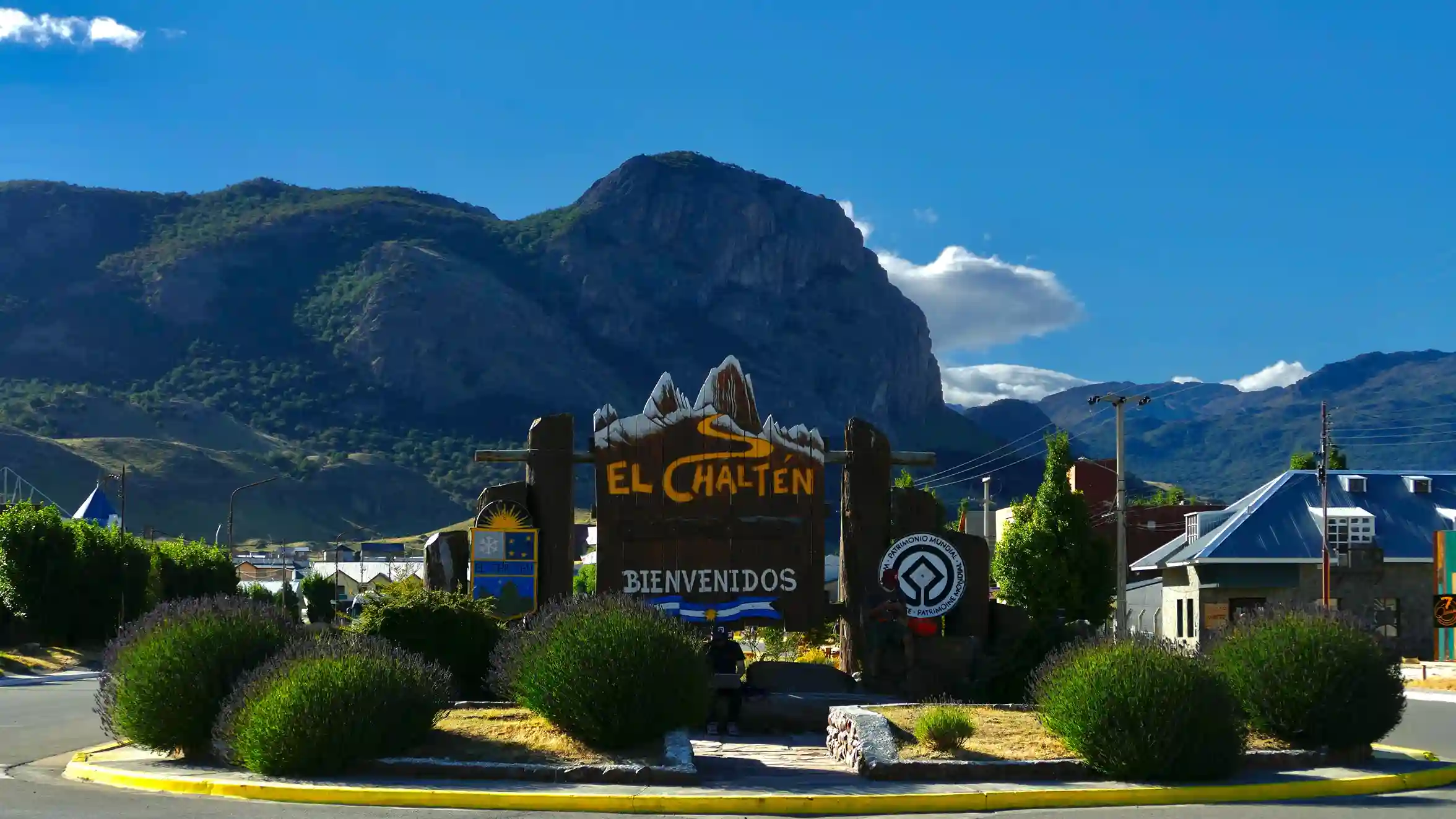
A wooden welcome sign for the town of El Chaltén, with the Andes mountains in the background under a blue sky.
The welcome sign for El Chaltén, Argentina.

Take a morning bus or private transfer from El Calafate to El Chaltén, about three hours away. The drive itself is stunning, with wide-open landscapes and the Fitz Roy range appearing in the distance as you approach.

  • Check in: Drop your bags at your accommodation in El Chaltén, a small but lively trekking town.
  • Warm up hike: Stretch your legs on a short trail like Mirador de los Cóndores or Mirador de las Águilas for panoramic views of the valley.
  • Evening in town: Sample local craft beer and hearty Patagonian fare to fuel up for tomorrow’s trek.

Day 4: Laguna de los Tres Hike (Mount Fitz Roy)

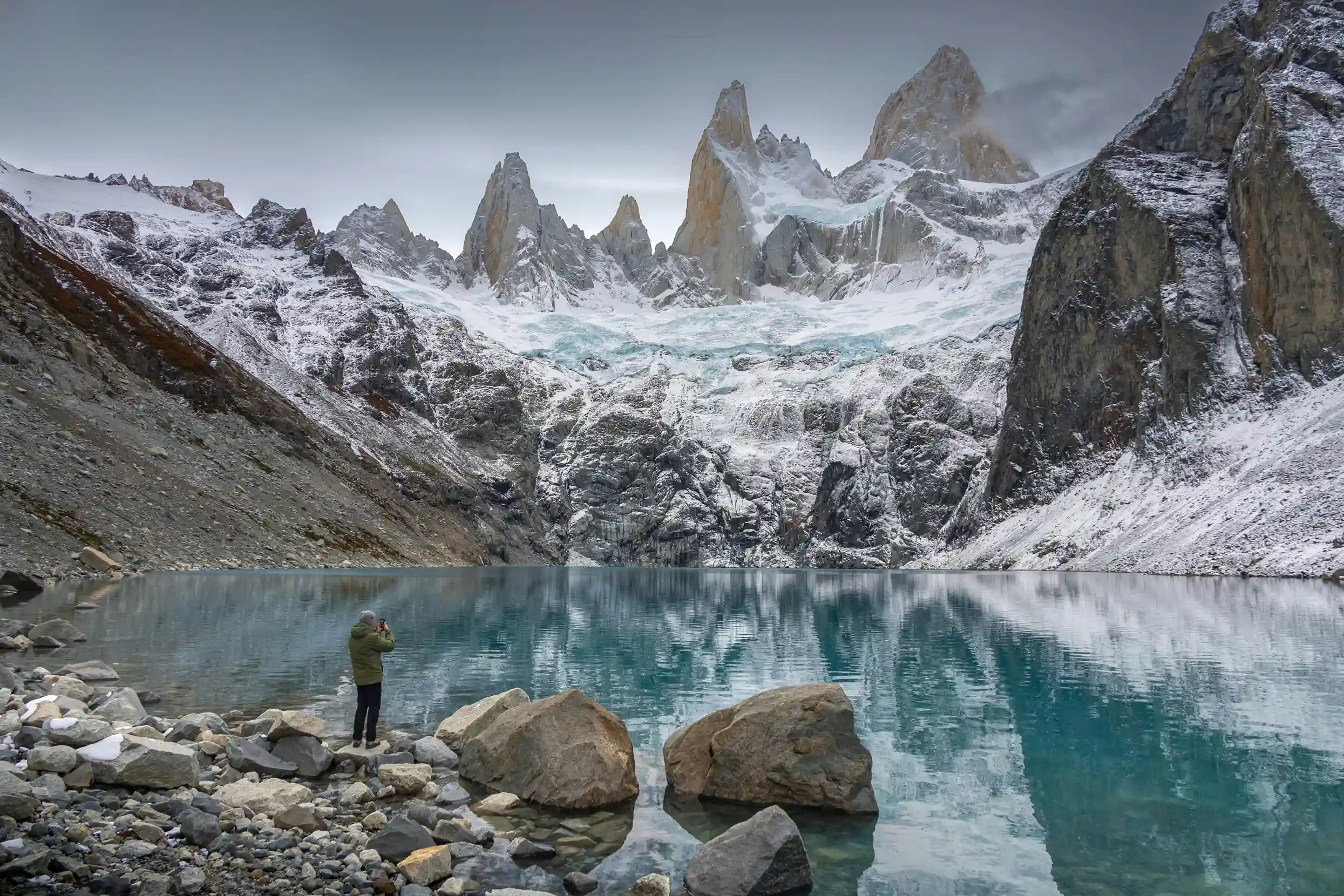
A solitary hiker stands on a rocky shore, looking out at the snow-capped Monte Fitz Roy mountains reflecting in a calm, clear lake.
Monte Fitz Roy, a classic destination for hikers in Patagonia.

This is one of Patagonia’s most iconic hikes.

  • Trail length: About 20 kilometers round trip (7 to 9 hours).
  • Highlights: Forest trails, glacial rivers, and a steep final climb that rewards you with jaw-dropping views of Mount Fitz Roy reflected in a turquoise lagoon.
  • Tip: Start early to avoid crowds and carry layers — the weather shifts quickly.

Day 5: Alternative Hikes in El Chaltén

Not every day needs to be a marathon hike. Choose based on your energy level.

  • Laguna Torre: A moderate trail that leads to a lake with views of Cerro Torre and often floating icebergs.
  • Lago del Desierto day trip: Combine light hiking with a scenic drive through forests and rivers.
  • Relaxing option: Enjoy the town, browse gear shops, or visit local cafés while soaking in the mountain atmosphere.

By the end of Day 5, you will have experienced some of the best trekking in Patagonia. Tomorrow, it is time to return to El Calafate for a close-up with glaciers.

Day 6: Return to El Calafate and Explore the Town

Take the bus or a private transfer back from El Chaltén to El Calafate. Once you arrive:

  • Check in: Settle into your hotel or guesthouse.
  • Explore town: Stroll along the main street lined with souvenir shops, bakeries, and restaurants.
  • Relax by the lake: Lago Argentino offers peaceful walking paths and birdwatching, with flamingos often spotted near the shoreline.
  • Evening tip: Try a traditional Patagonian lamb dinner, a regional specialty.

Day 7: Perito Moreno Glacier

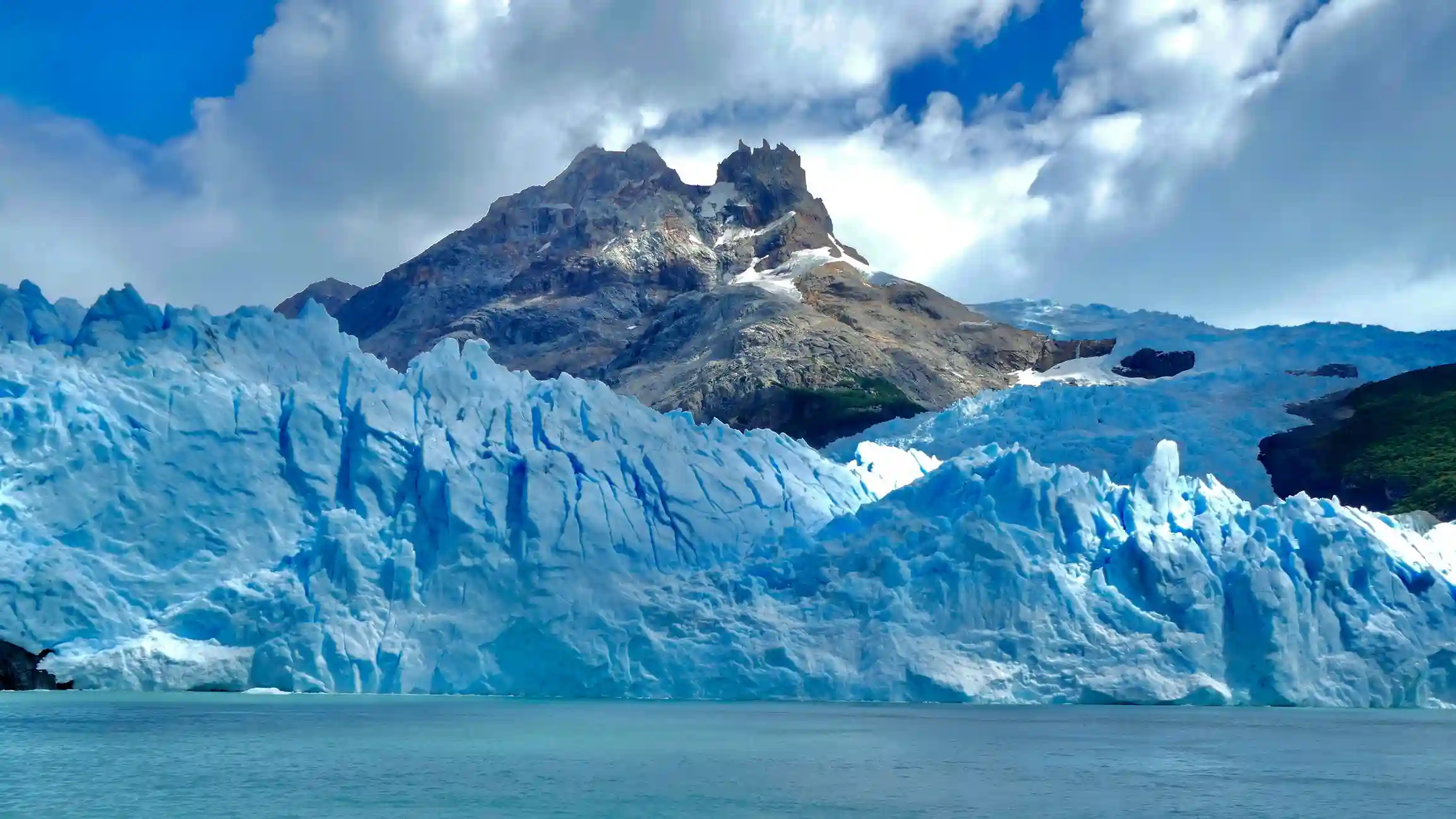
A massive, blue-tinged glacier with a jagged surface sits in front of a dark mountain peak under a partly cloudy sky.
Blue ice of the Perito Moreno Glacier, one of Patagonia’s most famous sights.

One of Patagonia’s crown jewels awaits.

  • Getting there: The glacier is about an hour and a half from El Calafate by bus or tour.
  • Walkways and viewpoints: A network of boardwalks gives you incredible views of the 70-meter-tall ice wall, with regular thunderous crashes of ice calving into the water.
  • Optional boat tour: Get up close to the glacier face by taking a short cruise.
  • Mini trekking or ice trekking: Strap on crampons and walk on the glacier itself for an unforgettable experience.
  • Timing tip: Spend at least half a day here, more if you want to add an activity.

By evening, you will be back in El Calafate preparing for the next leg of the journey into Chile and Torres del Paine.

Your Trip, Your Way

Pick from our curated packages for an easy start, or work with our specialists to design a custom itinerary that fits your group perfectly.

Day 8: Travel to Puerto Natales and Prepare for Torres del Paine

From El Calafate, cross the border into Chile and head to Puerto Natales, the gateway to Torres del Paine. The bus ride takes around five to six hours including border checks.

  • Check in: Puerto Natales has a good mix of hostels, boutique hotels, and restaurants.
  • Gear check: Stock up on snacks, gear, or fuel if you are trekking.
  • Briefing: Many hostels and tour companies host evening talks about the park — a good way to finalize plans.

Day 9–12: Torres del Paine National Park

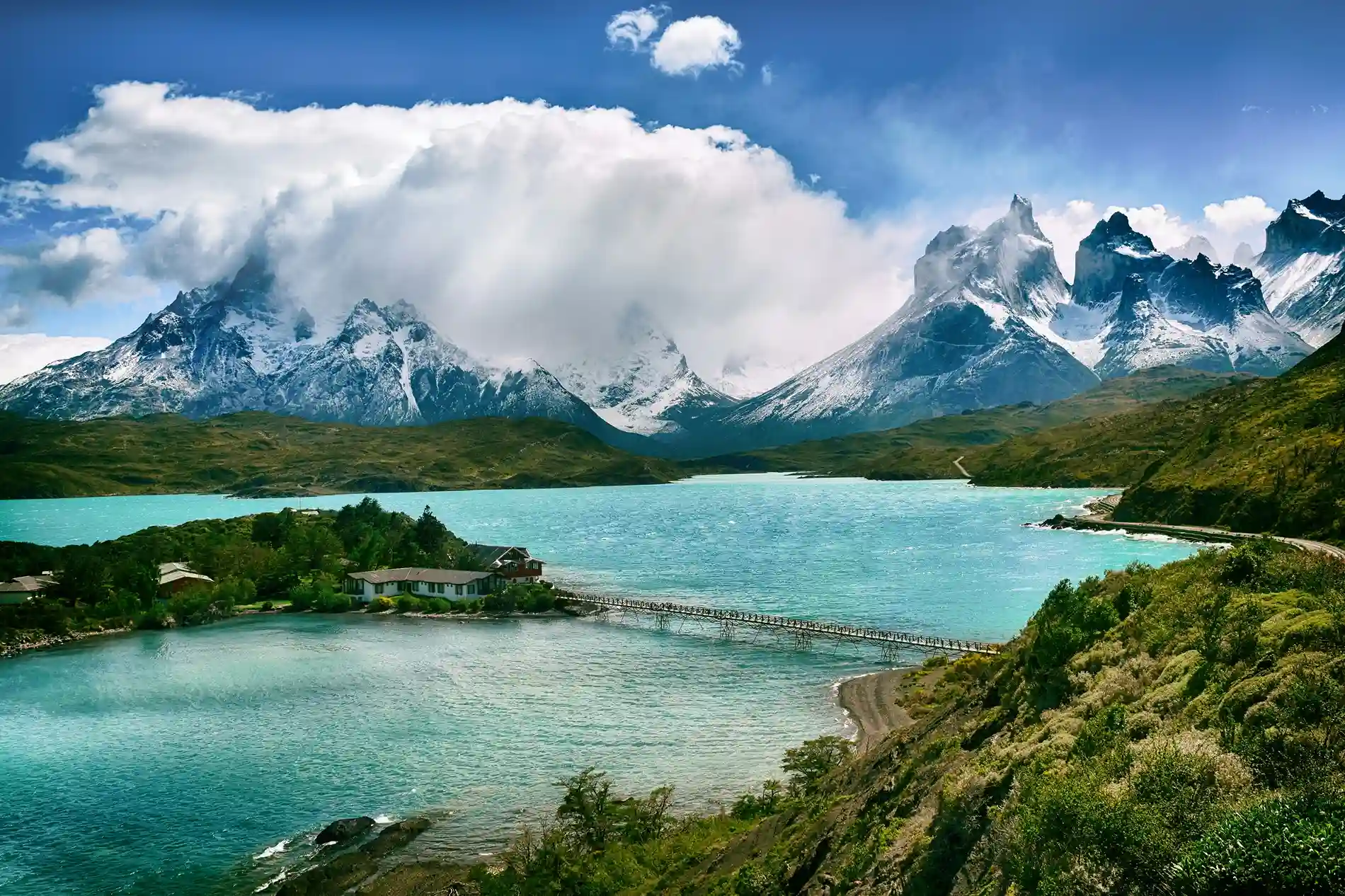
Torres del Paine mountains rising behind a turquoise lake with a small wooden bridge and building.
A view of the iconic Torres del Paine mountains in Chilean Patagonia.

You have two main options here depending on your energy and travel style.

Option A: The W Trek (4–5 days)

The W Trek is the most famous multi-day hike in Torres del Paine, covering valleys, glaciers, and the iconic granite towers.

  • Day 1 of trek: Hike to the base of the Torres (8–9 hours, challenging but spectacular).
  • Day 2: French Valley, with dramatic hanging glaciers and peaks.
  • Day 3: Grey Glacier, where you can add kayaking or a boat ride.
  • Day 4–5: Complete the circuit with shorter walks and transfers back to Puerto Natales.
  • Accommodation: Stay in refugios (mountain lodges), campsites, or domes — booking early is essential.

Option B: Day Hikes and Tours

If multi-day trekking is not your style, you can still experience Torres del Paine through day trips.

  • Mirador Las Torres: The classic hike to the base of the towers.
  • French Valley day trip: Shorter routes with jaw-dropping scenery.
  • Grey Glacier: Boat trip or kayak experience.
  • Wildlife tours: Spot guanacos, condors, and maybe even pumas.

Whichever path you choose, Torres del Paine is likely to be the highlight of your Patagonia trip. The combination of rugged peaks, turquoise lakes, and vast open spaces is unforgettable.

Day 13: Return Journey

After your time in Torres del Paine, make your way back to Puerto Natales. From here, most travelers either:

  • Take a bus back to El Calafate for a flight out
  • Fly north from Punta Arenas to connect with Santiago or Buenos Aires

This travel day is a good time to rest, reflect, and sort through your photos.

Day 14: Extensions or Departure

If you have more time, Patagonia offers several rewarding add-ons before you fly home.

  • Bariloche (Argentina): Lakes, chocolate shops, and mountain hikes in the Lake District
  • Ushuaia (Argentina): The southernmost city in the world, known for wildlife cruises and the gateway to Antarctica
  • Buenos Aires (Argentina): Tango shows, world-class dining, and vibrant neighborhoods
  • Santiago (Chile): A mix of modern city life and easy access to wine country and the Andes

If your schedule is tight, Day 14 will be your departure day. Fly out with memories of glaciers, granite towers, and wide-open landscapes that make Patagonia so unique.

Best Time to Visit Patagonia

Patagonia is a year-round destination, but the experience changes dramatically with the seasons. Choosing the right time to go depends on your priorities.

Peak Season (December to February)

  • Warmest weather and longest daylight hours
  • Perfect for trekking and outdoor activities
  • Also the busiest and most expensive time to visit

Shoulder Seasons (October to November, March to April)

  • Cooler but still good weather for hiking
  • Fewer crowds and better availability in accommodations
  • March and April offer beautiful autumn colors, while November brings wildflowers

Low Season (May to September)

  • Winter in Patagonia — expect snow, cold, and limited access to trails.
  • Some lodges and transport services shut down
  • Best for those seeking solitude and off-season pricing

Quick Recommendation

For most travelers, the sweet spot is October to April, with March standing out for fewer crowds, stable weather, and striking scenery.

Transportation and Logistics

Patagonia is huge, and distances can be deceiving. Careful planning will save you long travel days and help you enjoy the journey instead of spending all your time on buses and planes.

International Gateways

  • Buenos Aires, Argentina – Best if you plan to focus on El Calafate and El Chaltén.
  • Santiago, Chile – Best if Torres del Paine or southern Chile is your priority.

Domestic Flights

Flights are the quickest way to cover big distances.

  • Buenos Aires to El Calafate takes about three and a half hours.
  • Santiago to Punta Arenas takes about three and a half hours, then continue by bus to Puerto Natales.

Buses and Transfers

Patagonia has a reliable long-distance bus network. Expect simple but comfortable coaches with reserved seats.

  • El Calafate to El Chaltén: Around three hours
  • El Calafate to Puerto Natales: About five to six hours including the border crossing
  • Puerto Natales to Torres del Paine: Two to three hours depending on your entry point

Car Rental

Renting a car offers the most flexibility but is not essential. Roads are well maintained near towns but can be rough inside parks. Fuel stations are limited, so plan ahead.

Practical Tips

  • Always keep your passport handy for border crossings.
  • Carry snacks and water for long rides.
  • Book domestic flights and long-distance buses early in high season.

Tips and Warnings

Traveling in Patagonia is rewarding, but it comes with challenges. A little preparation goes a long way in making your trip smooth and enjoyable.

Border Crossings

  • Always carry your passport, and keep entry slips safe — you need them to exit
  • Fresh fruit, seeds, and other agricultural products are not allowed when crossing between Argentina and Chile

Book Early

  • Refugios and campsites in Torres del Paine open reservations months in advance and sell out quickly
  • Domestic flights and long-distance buses should be booked as soon as you know your dates

Connectivity

  • Wi-Fi and mobile signal are limited once you leave towns
  • Download offline maps and keep key documents saved on your phone

Safety

  • Trails are well-marked, but weather changes fast — carry layers and rain protection
  • Tell someone your plans before long hikes
  • Pack snacks, a refillable water bottle, and a small first aid kit

Money

  • ATMs can run out of cash, especially in El Chaltén — bring both Argentine and Chilean pesos
  • Many lodges inside national parks operate on cash only

Packing Essentials

  • Layers: Base, mid, and waterproof outer shell for unpredictable weather
  • Sturdy boots: Waterproof and supportive for long treks
  • Windproof jacket: Patagonia’s winds are no joke
  • Daypack: With rain cover for hikes
  • Warm accessories: Hat, gloves, and buff for chilly mornings and evenings

Your Patagonia Trip: Summary & Key Points

Planning a trip to Patagonia takes preparation, but with the right itinerary you can enjoy its glaciers, peaks, and trails without the stress of logistics.

Patagonia is vast, with long distances, fast-changing weather, and limited availability on popular treks and lodging. Having a clear itinerary lets you spend less time worrying about details and more time experiencing the glaciers, peaks, and trails that make this region unforgettable. 

Key Takeaways

  • Route: El Calafate → El Chaltén → Torres del Paine
  • Trip length: Flexible for 7, 10, or 14 days
  • Highlights: Fitz Roy, Perito Moreno Glacier, W Trek
  • Plan ahead: Secure flights, buses, and refugios early

Start your journey today and turn this itinerary into your own adventure.