Your Trip, Your Way
Pick from our curated packages for an easy start, or work with our specialists to design a custom itinerary that fits your group perfectly.

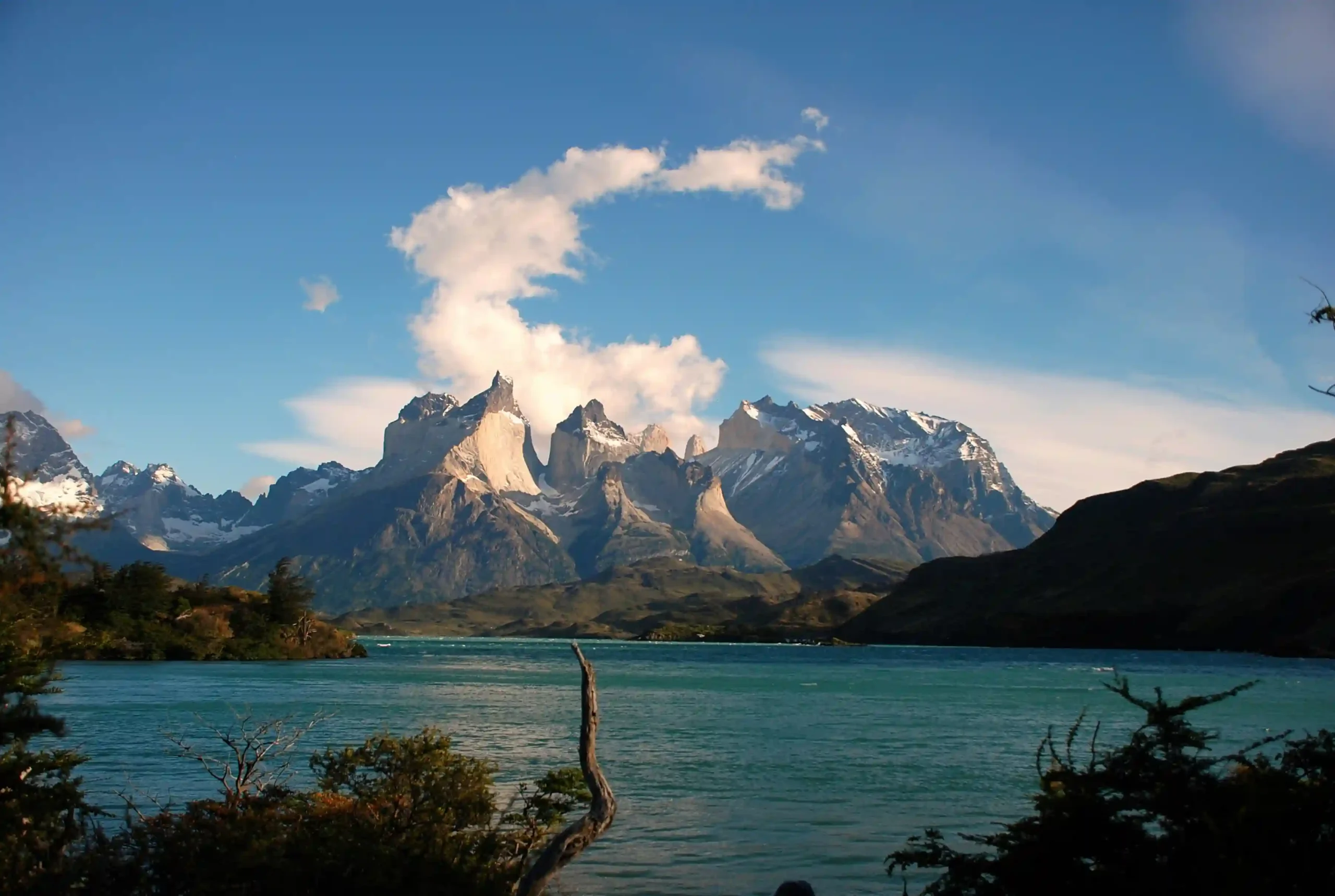

For hikers, Patagonia is pure adventure. Trails wind through dramatic peaks, skirt turquoise lakes, and stretch across wild open terrain, giving you the choice between challenging expeditions and rewarding day hikes.
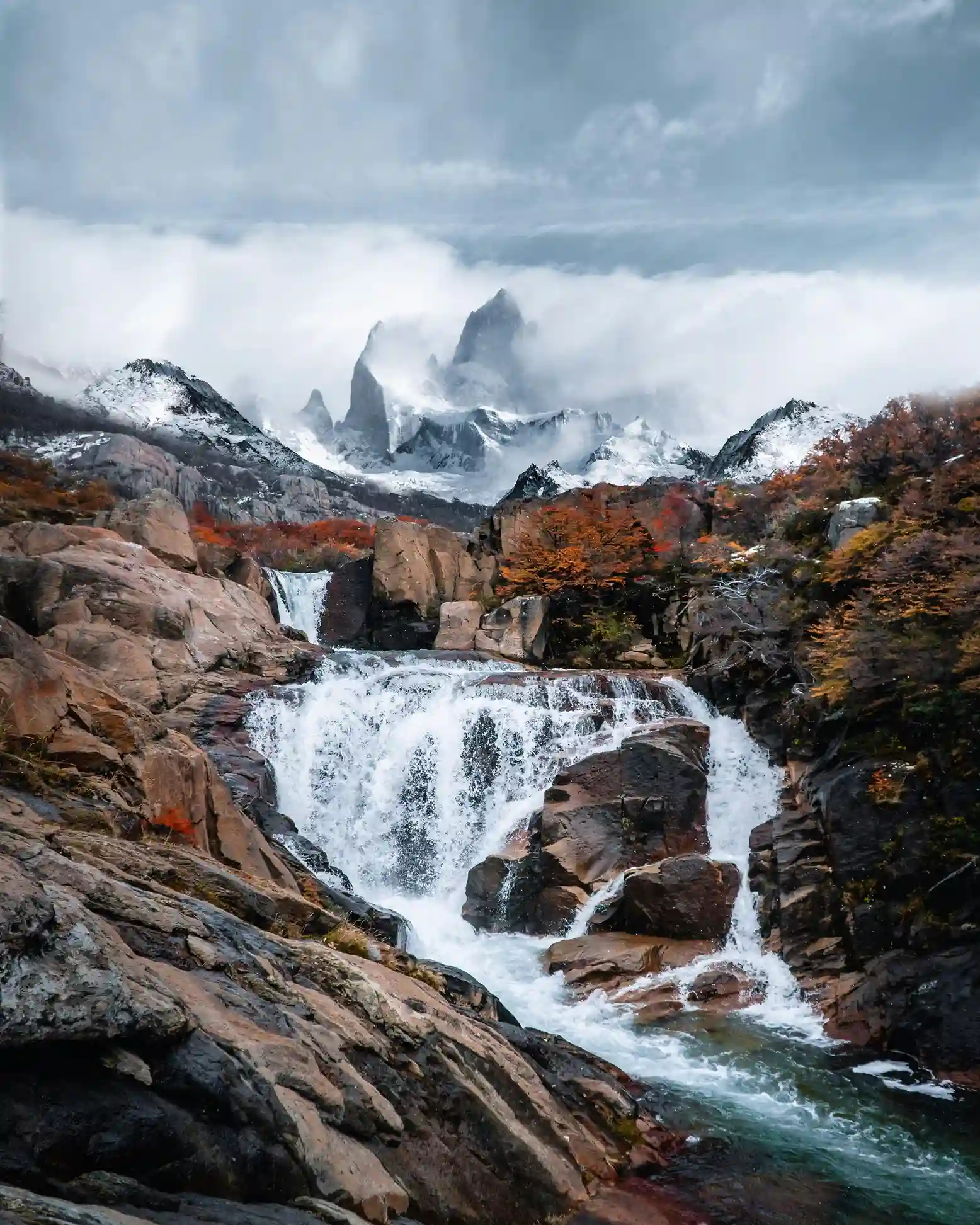
Often called the crown jewel of South America’s hiking scene, Torres del Paine offers some of the most iconic landscapes on the continent.
• The W Trek – A four to five day journey that takes you past the park’s highlights including the famous granite towers, Grey Glacier, and the French Valley.
• The O Circuit – A longer, seven to eight day loop that circles the entire park, offering quieter trails and even more diverse scenery.
• Day Hikes – If you do not want to commit to multi-day trekking, there are rewarding day routes such as the hike to Mirador Las Torres or the trail along Lake Grey to glacier viewpoints.
Known as the “National Capital of Trekking,” El Chaltén is a small town with huge adventure at its doorstep.
• Laguna de los Tres – Perhaps the most famous hike in Argentina, this full-day trek rewards you with breathtaking views of Mount Fitz Roy.
• Laguna Torre – A slightly easier but equally spectacular route ending at a glacial lake with a dramatic view of Cerro Torre.
• Pliegue Tumbado – A less-traveled trail that climbs above the valley for panoramic vistas of both Fitz Roy and Cerro Torre.
Hiking in Patagonia is more than just exercise, it is an immersion in wild landscapes where the weather changes quickly, wildlife may cross your path, and every viewpoint feels like a reward. Trails are well-marked in the main hubs, making it accessible for independent travelers, while guided treks are available for those who prefer added support.
Patagonia is home to some of the most dramatic glaciers on Earth, and seeing them up close is an unforgettable experience. Whether you are standing on a viewing platform, cruising by boat, or strapping on crampons to walk across the ice, glaciers are one of Patagonia’s defining highlights.
One of the few advancing glaciers in the world, Perito Moreno is a must-see.
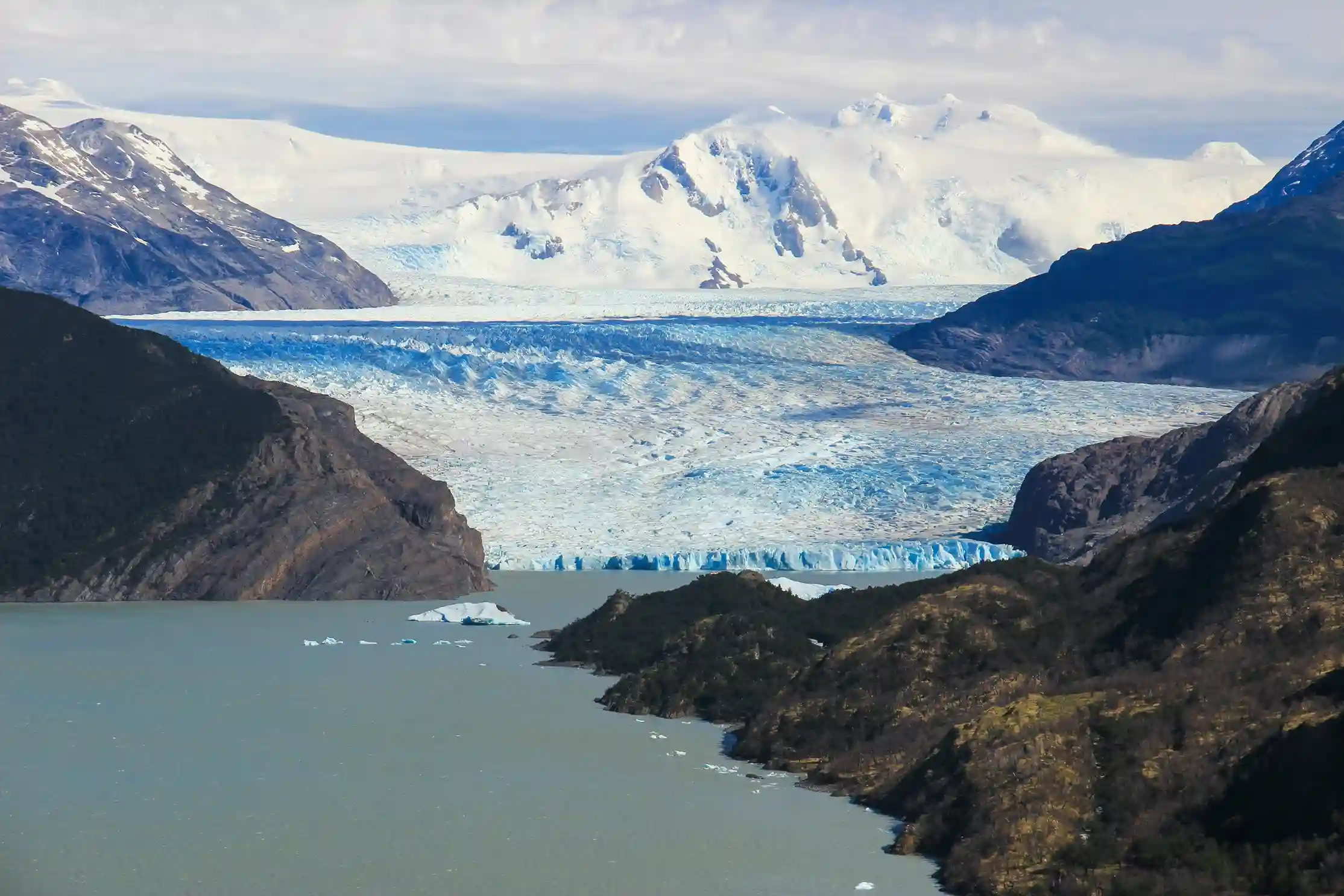
Located in the northern section of Torres del Paine National Park, Grey Glacier is a sight to behold.
Beyond these two famous names, Patagonia has countless other icy wonders.
These massive rivers of ice are more than just natural wonders. They are alive, constantly shifting and reshaping the landscape. Watching or walking on them offers not just a view, but an experience that connects you directly with Patagonia’s raw power.
Patagonia is as much about the journey as it is the destination. The region’s sweeping roads, sparkling lakes, and rugged fjords invite you to slow down and take in the scenery at every turn. Some of the best experiences here are not about a single attraction, but about the adventure of moving through the landscape itself.
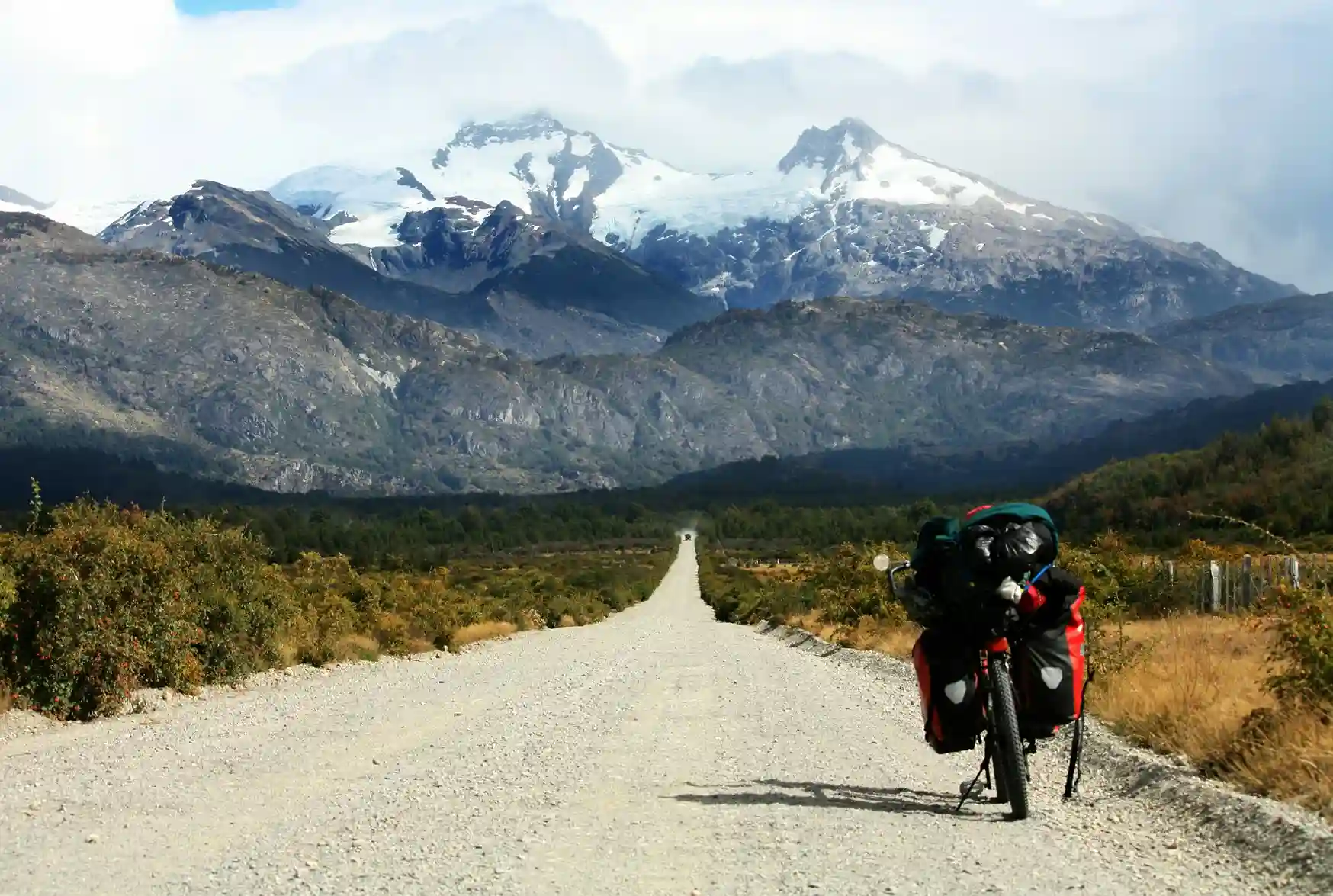
Ruta 40 (Argentina)
Stretching for thousands of kilometers down Argentina’s spine, Ruta 40 is one of the longest roads in the world. The Patagonian section takes you through vast steppe, mountain ranges, and historic sites.
Drive from Bariloche south toward El Calafate for a mix of lake views, Andean peaks, and wide-open horizons.
Carretera Austral (Chile)
Known for its wild beauty, the Carretera Austral winds through fjords, dense forests, and remote villages in Chilean Patagonia.
Beagle Channel (Ushuaia, Argentina)
Set sail from the southernmost city in the world and glide through waters filled with wildlife.
Cape Horn and Magellan Strait
Follow in the wake of explorers who navigated these historic routes. Today’s cruises blend history with jaw-dropping scenery of windswept headlands and remote channels.
Lago Argentino (El Calafate, Argentina)
Cruise across the largest lake in Argentina to reach immense glaciers like Upsala and Spegazzini. The icebergs alone make this trip unforgettable.
Traveling through Patagonia is not just about getting from one place to another. The roads and waterways themselves are part of the adventure, offering a sense of scale and remoteness that is hard to find anywhere else in the world.
Patagonia is not only about mountains and glaciers, it is also one of the best places in South America for wildlife watching. From penguins and whales to guanacos and condors, the region is alive with animals that make every journey feel like a safari.
Few experiences are as charming as walking among penguin colonies.
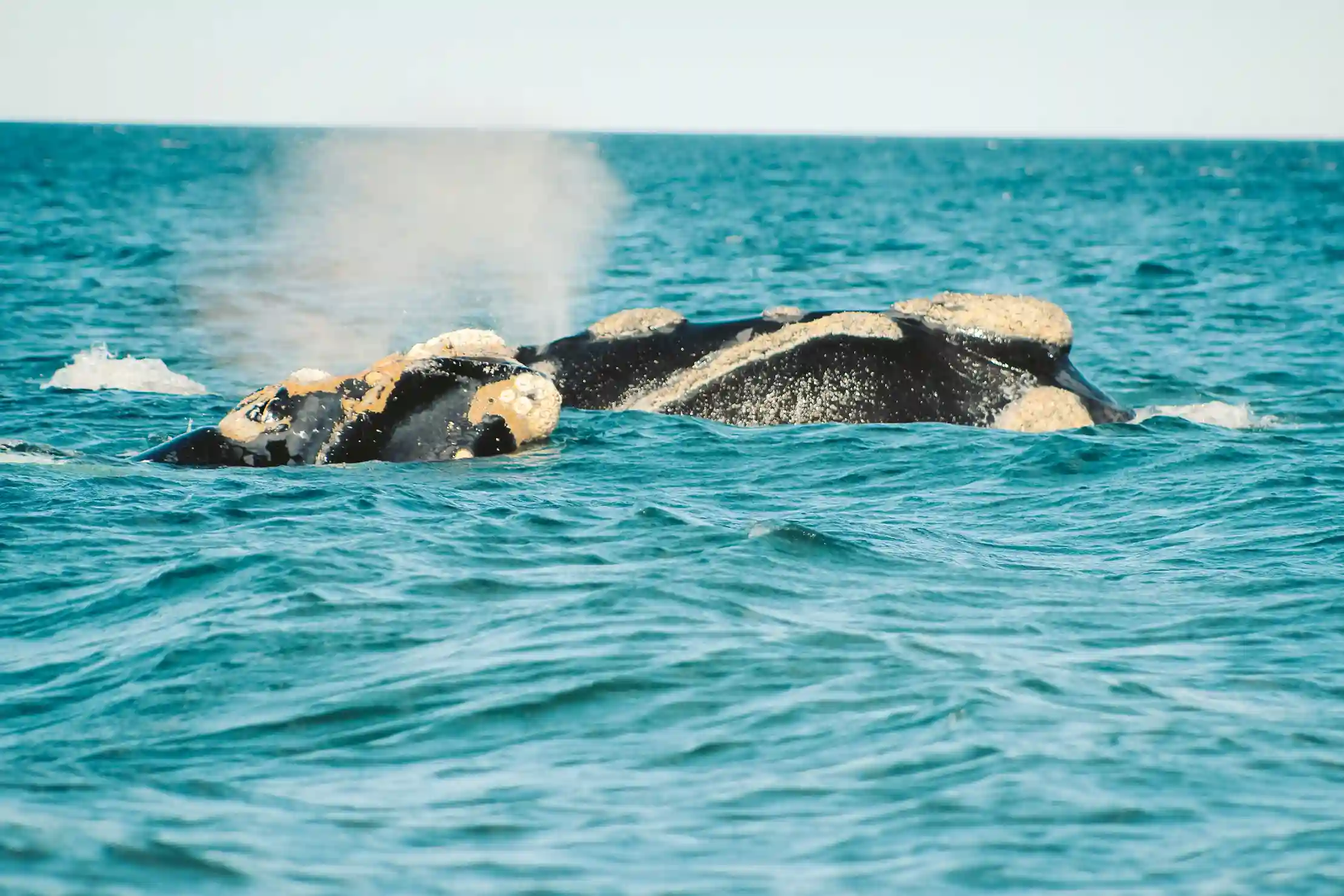
The waters around Patagonia attract some of the world’s most majestic marine life.
Patagonia’s diverse ecosystems mean you are likely to encounter plenty of other animals along the way.
What makes Patagonia special is not only the variety of animals but also the settings in which you see them. Whether it is whales breaching against a backdrop of glaciers or penguins waddling along windswept shores, these encounters feel raw and unforgettable.
Patagonia is not only about wild landscapes. It is also a region shaped by frontier culture, indigenous traditions, and European influences. Spending time in its towns, estancias, and kitchens adds depth to your trip and connects you to the spirit of the place.
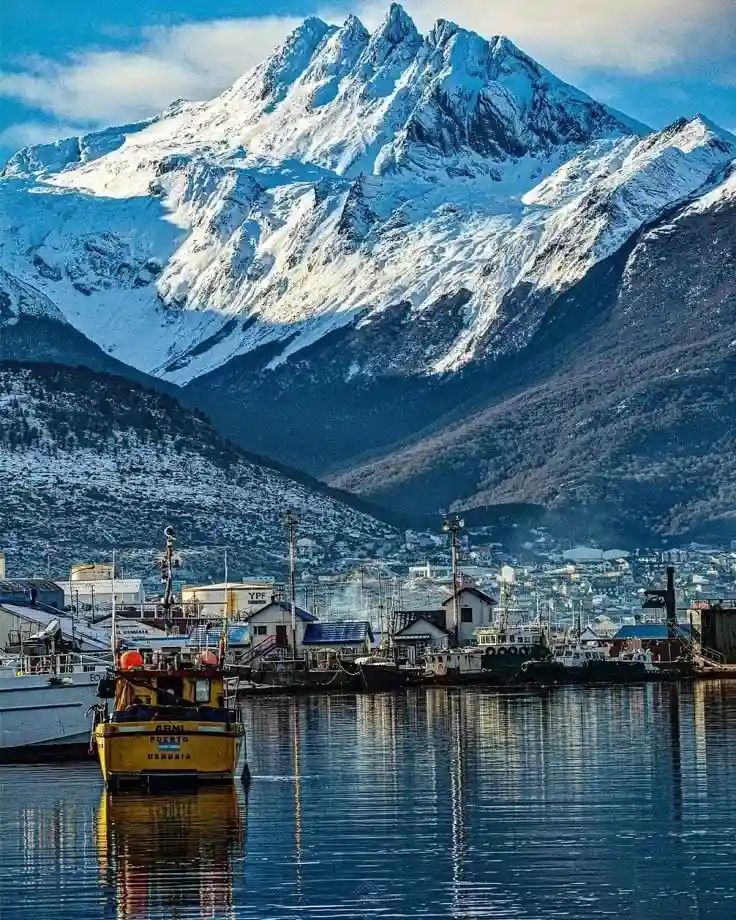
Ushuaia is the southernmost city on Earth, perched between the Beagle Channel and snowcapped peaks. Beyond being a gateway to Antarctica, it has its own unique cultural attractions.
The vast Patagonian steppe is dotted with estancias, or ranches, where sheep farming and horseback riding remain part of daily life.
Patagonia is known for hearty food that warms you after a long day outdoors.
Exploring Patagonia’s culture is about more than sightseeing. It is about meeting people who have adapted to life at the edge of the world and tasting traditions that reflect both resilience and hospitality. These experiences give your adventure a human dimension, turning a scenic trip into a truly memorable journey.
Patagonia’s famous hikes and glaciers may draw most travelers, but the region also offers countless other ways to experience its wild beauty. These activities are perfect if you want something different, more adventurous, or simply a fresh perspective on the landscape.
Step beyond glacier trekking and try climbing frozen walls of ice with crampons and ropes. Guided tours in El Calafate and Torres del Paine provide safe introductions to this thrilling sport.
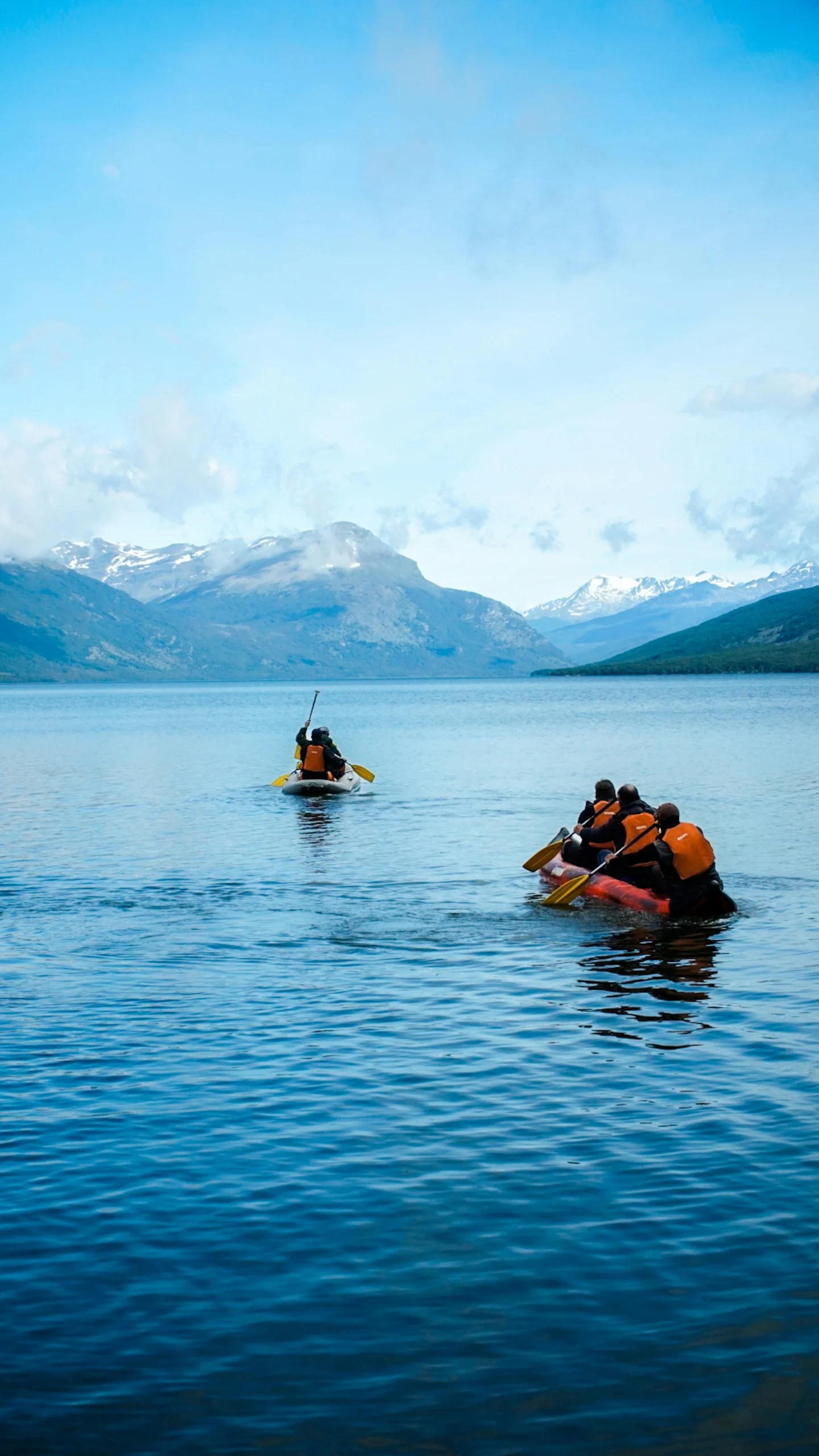
Glide through turquoise waters surrounded by snow-capped peaks. Popular spots include Lago Argentino near El Calafate, Grey Lake in Torres del Paine, and the channels around Ushuaia.
Ride with local gauchos across sweeping plains or along mountain trails. This traditional way of exploring Patagonia offers both cultural immersion and breathtaking views.
For those craving remote adventure, multi-day jeep or camping trips take you deep into Patagonia’s untouched landscapes. Sleep under endless stars and wake to views of glaciers or windswept pampas.
With little light pollution, Patagonia’s skies are spectacular. On a clear night you can see the Milky Way stretch across the horizon, making stargazing a highlight in itself.
Stepping off the classic tourist track reveals a different side of Patagonia. These activities connect you more intimately with the land and often leave the strongest memories—whether it is the thrill of scaling ice or the peace of watching stars in absolute silence.