Panoramic sunrise view of the Torres del Paine mountain range and lakes in Patagonia.

Best Time to Visit Patagonia (South America)

The best time to visit Patagonia is December to February, when the region sees its warmest temperatures, long daylight hours, and the most reliable hiking conditions. If you want fewer crowds and slightly cooler weather, the shoulder seasons (September to November and March to April) offer a great balance of comfort, scenery, and availability. Winter (June to August) brings snow, short days, and widespread closures, making it the least convenient time for most travelers.

Patagonia stretches across southern Chile and Argentina, and choosing the right season makes a huge difference. Distances are long, weather changes quickly, and many trails, ferries, and parks run on seasonal schedules. Understanding how each season affects your experience helps you match your trip to your goals, whether that is trekking in Torres del Paine, viewing glaciers in El Calafate, or spotting wildlife along the coast.

In short:

  • Best overall: December to February
  • Best mix of weather and fewer crowds: September to November and March to April
  • Least recommended: June to August (cold weather and limited access)
Picture of Edited by Lucas, Regional Expert in Argentina

Edited by Lucas, Regional Expert in Argentina

Reviewed with our Argentina specialist to ensure local cultural and travel insights.

Table of Contents

Patagonia by Season

Choosing the right season is the most important decision when planning a Patagonia trip. Each time of year shapes what you can see, how much you will pay, and how comfortable the experience feels. 

Summer (December to February)

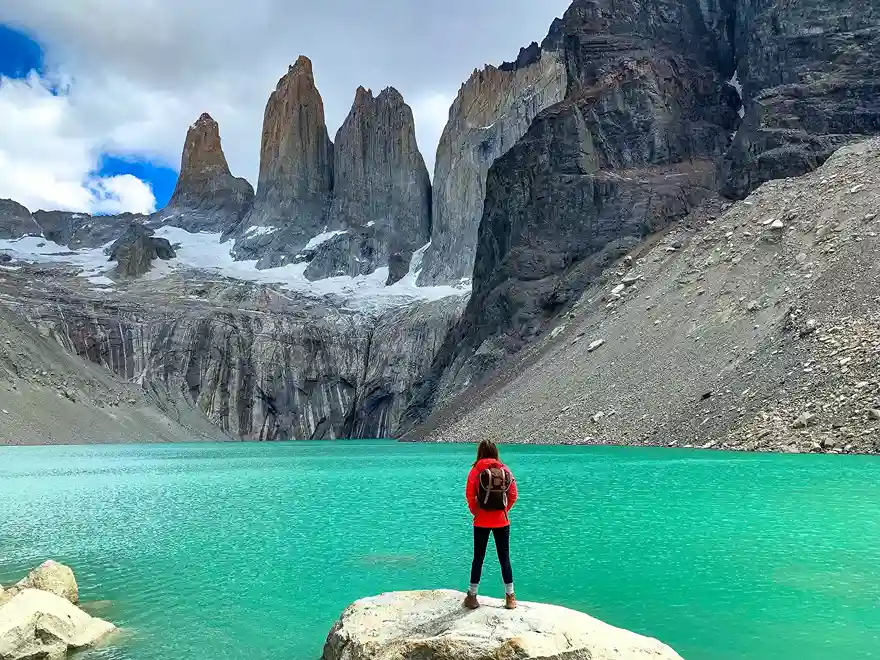
Hiker overlooking the turquoise lake at Mirador Las Torres in Torres del Paine, Patagonia.
The turquoise lake at Mirador Las Torres marks one of Patagonia’s most rewarding hikes.

With the longest daylight hours, the most comfortable daytime temperatures, and the best trail conditions, this is a good time for major hikes like the W Trek in Torres del Paine or the trails around El Chaltén. However, It is also the busiest and most expensive period, and accommodations often require advance reservations.

What to expect:

  • Warmest temperatures and longest days
  • Excellent for trekking and outdoor adventures
  • Highest demand and highest prices
  • Book accommodations and permits early

Spring (September to November)

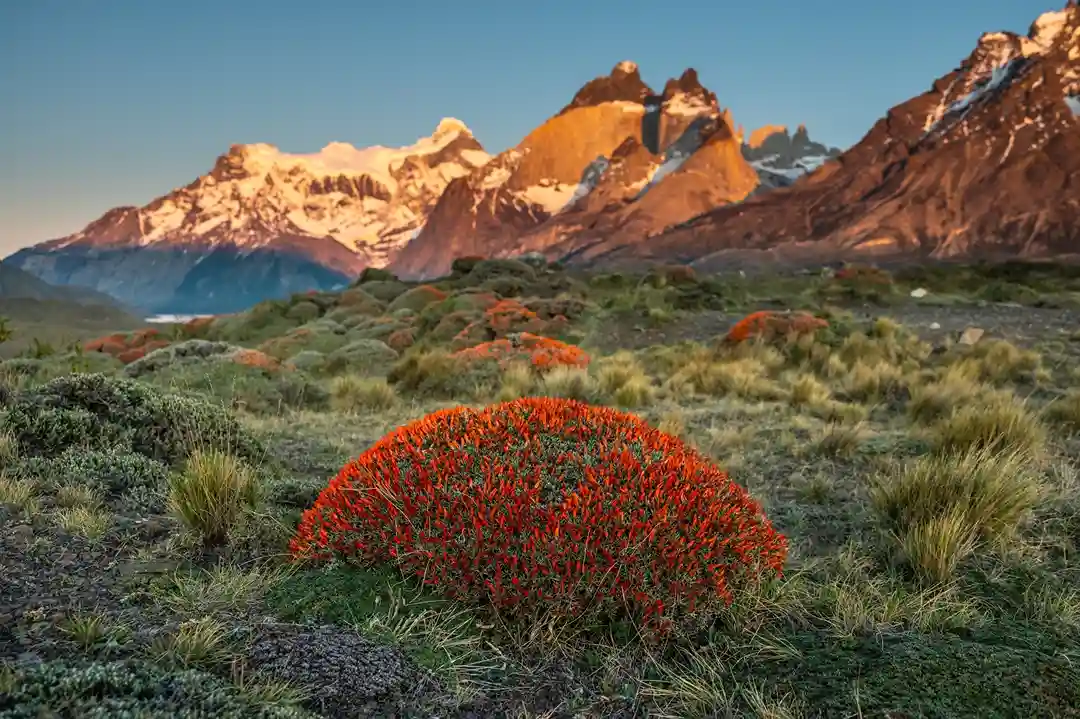
Spring wildflowers blooming in front of mountains in Torres del Paine National Park, Patagonia.
Spring wildflowers bloom beneath the mountains of Torres del Paine National Park.

Wildflowers, new vegetation, and more sunlight are all part of the region’s springtime. Temperatures begin to warm, but wind can be strong, especially in Chilean Patagonia. Crowds are smaller than in summer, and prices are usually lower. This is a great season for photography, early wildlife viewing, and scenic drives.

What to expect:

  • Mild temperatures and lively landscapes
  • Strong winds are common
  • Fewer visitors and moderate prices
  • Good option if you want a quieter experience

Autumn (March to May)

Outdoor autumn festival with local crafts, stalls, and visitors in a Patagonia-style setting.
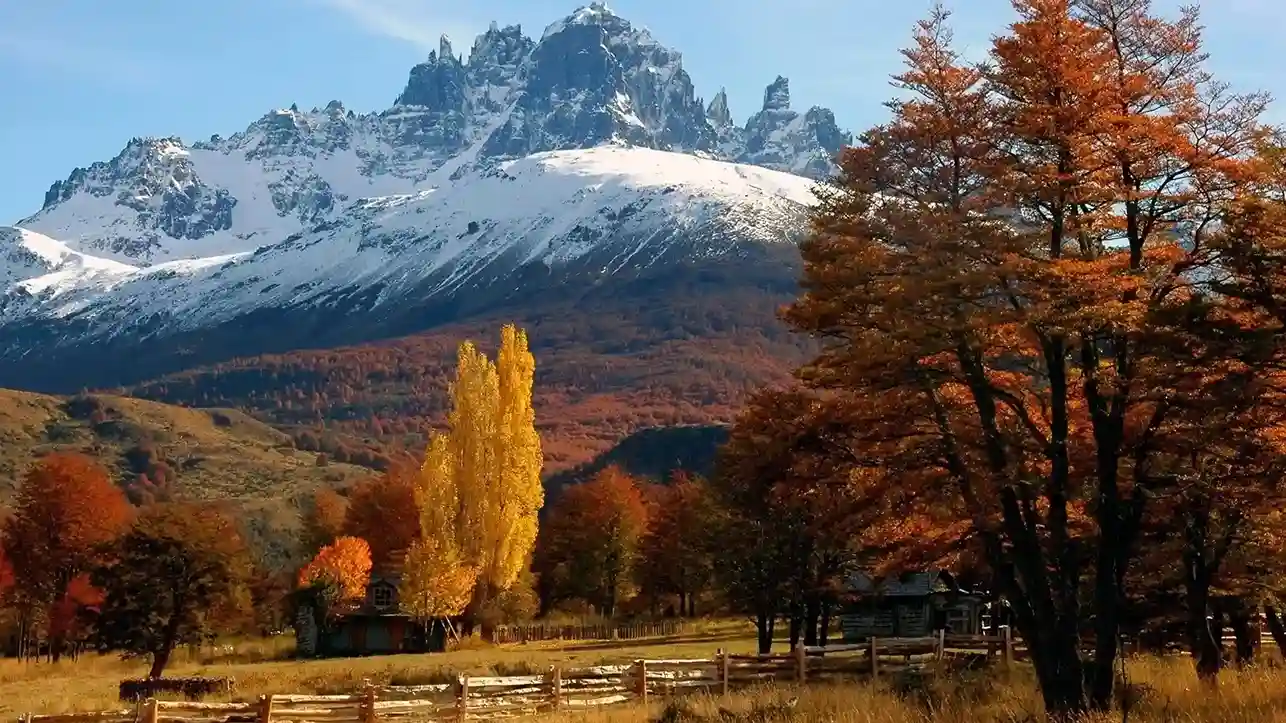
Autumn colors sweep across the Patagonian Andes, offering some of the most photogenic views of the year.

Autumn offers a calm and steady weather pattern, cooler temperatures, and beautiful golden and red foliage. Trails are quieter, and prices begin to drop. It is a rewarding time for photographers and travelers who want peaceful days in nature without the summer rush.

What to expect:

  • Crisp temperatures and stable conditions
  • Excellent photography opportunities
  • Smaller crowds and lower prices
  • Some services begin reducing operating hours by late May

Winter (June to August)

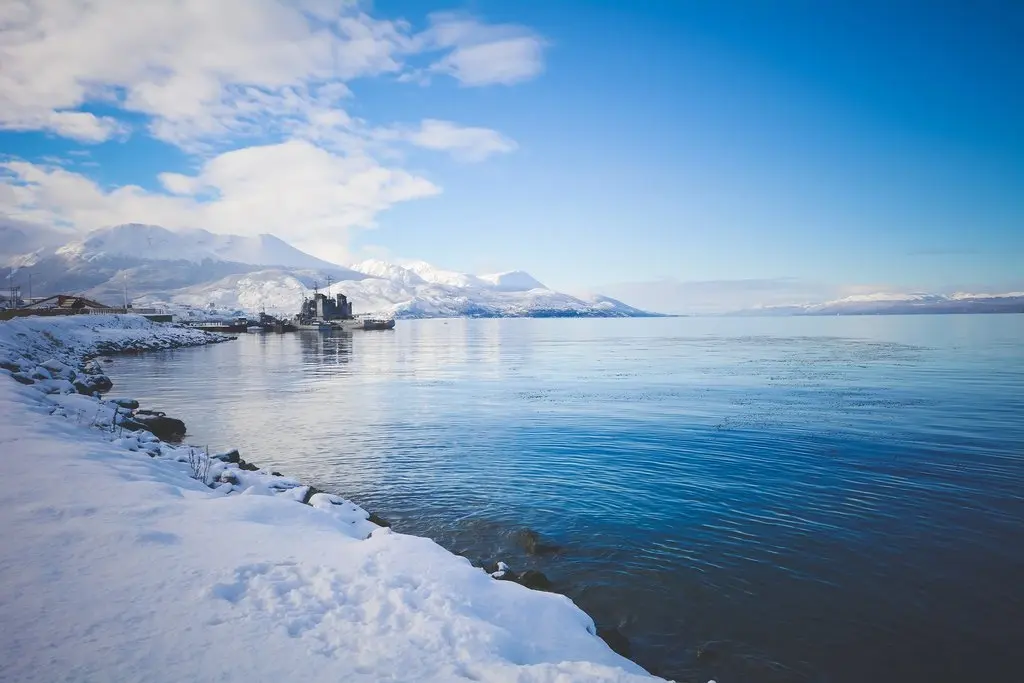
Snow-covered coastline and mountains in Ushuaia overlooking the Beagle Channel during winter.
Winter transforms Ushuaia and the Beagle Channel into a peaceful snow-covered landscape.

Winter is the quietest season in Patagonia. Snow, icy wind, and reduced daylight make travel more challenging. Many popular hiking routes, ferries, and park services close for the season. However, it is the best time for skiing in Bariloche or Ushuaia, and prices for accommodations are generally lower.

What to expect:

  • Cold temperatures and short days
  • Many attractions and trails are closed
  • Best for skiing and winter landscapes
  • Lowest crowds and lowest prices

Best Months to Visit Patagonia

Infographic showing what to see in Patagonia month by month, including glaciers, wildlife, and hiking seasons.

Every month in Patagonia offers something different, and choosing the right one depends on the type of experience you want. Below is a simple month by month breakdown that highlights the weather, crowds, and overall travel conditions.

January

Warm weather, long days, and prime hiking conditions make January one of the busiest months of the year. Ideal for outdoor activities but expect high visitor numbers and higher prices.

February

Similar to January with warm temperatures and excellent trail access. Still busy but slightly calmer toward the end of the month.

March

A very good month for comfortable hiking, fewer crowds, and beautiful early autumn colors. Temperatures cool but remain pleasant.

April

Peak autumn foliage, crisp air, and quiet trails create excellent photography conditions. Some services begin reducing hours later in the month.

May

Cool and calm weather continues. Crowds remain low and prices drop, but some tours and seasonal routes start to wind down.

June

Start of winter. Snow and cold temperatures limit access to many trails and parks. Best suited for winter scenery or snow sports.

July

Deep winter conditions with cold temperatures and strong winds. Most major trekking routes remain closed. Ski resorts are active.

August

Still winter with limited access. Toward the end of the month, some areas begin preparing for spring reopening.

September

Early spring brings longer days, blooming landscapes, and cooler weather. A good shoulder season option with manageable crowds.

October

Spring continues with lively colors and milder temperatures. A strong alternative to summer for travelers who want fewer crowds.

November

One of the most underrated months. Warm weather begins, prices are moderate, and trails are quieter than in peak summer.

December

Summer begins and conditions improve rapidly. Days are long and ideal for hiking, but demand increases quickly.

Your Trip, Your Way

Pick from our curated packages for an easy start, or work with our specialists to design a custom itinerary that fits your group perfectly.
Patagonia Weather and Daylight

Weather and daylight play a major role in how enjoyable your trip will be. Patagonia’s climate is famous for quick changes, strong winds, and significant differences between Chile and Argentina. Understanding these basics helps you set realistic expectations and choose the season that matches your comfort level.

Temperature Overview

Patagonia is generally cool throughout the year. Summer brings comfortable temperatures that often reach the 50s and 60s Fahrenheit, while winter drops into the 20s and 30s. Chilean Patagonia tends to be cooler and wetter, especially in coastal areas, while Argentine Patagonia is usually drier and slightly warmer inland.

Wind Conditions

Strong wind is a constant in Patagonia, particularly from September to February. It can influence hiking difficulty, ferry schedules, and how cold the air feels, even on sunny days. Expect gusty conditions in open areas like Torres del Paine and the steppe regions of Argentina.

Rain and Snow

Chile receives more rain, especially in the fjords and coastal zones. Argentina has a drier climate because the Andes block much of the moisture. Snow is common from June to August, especially in higher elevations and in towns like Ushuaia.

Daylight Hours

Summer provides extremely long days, often 14 to 17 hours of daylight, which is ideal for hiking and long drives. Winter daylight can drop to about 8 hours, especially in the southernmost areas.

Best Time for Activities in Patagonia

Different seasons create very different experiences in Patagonia, and exploring the top things to do in Patagonia can help you decide which time of year best matches your interests. Below is a clear overview of the ideal timing for the most common activities.

Hiking and Trekking

The best time for major hikes is December to February, when temperatures are warmest and trails are fully open. Routes in Torres del Paine, El Chaltén, and Tierra del Fuego are at their most accessible, and daylight hours are generous. Spring and autumn are also excellent for trekking if you prefer quieter trails and cooler air. Winter is not recommended for most hikes because many routes close and conditions are unpredictable.

Best months: December to February
Good alternatives: September to November and March to April
Least recommended: June to August
Wildlife Watching

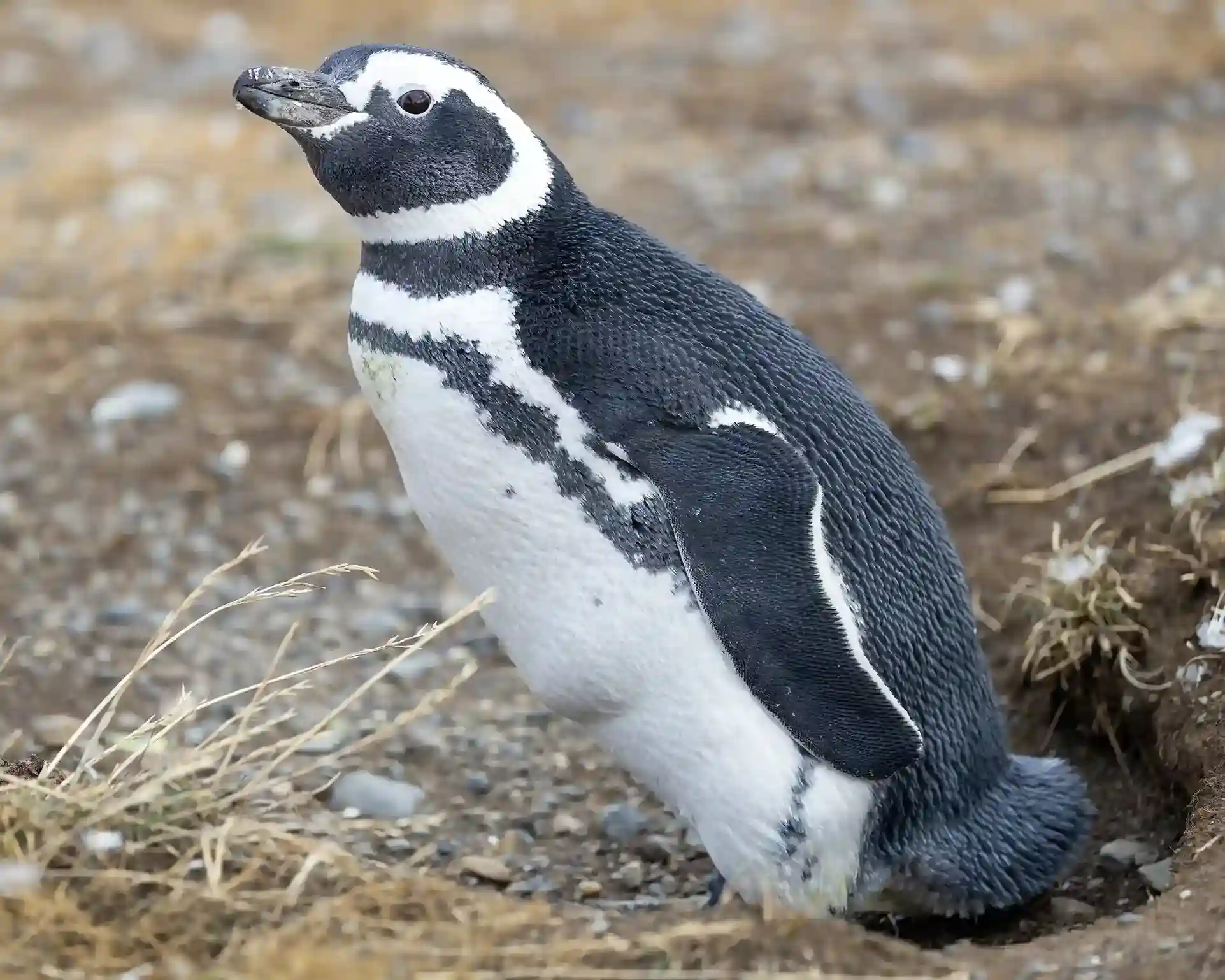
Magellanic penguin standing on rocky ground in Patagonia during the summer wildlife season.
A Magellanic penguin in Patagonia, one of the region’s most iconic wildlife sightings.

Patagonia’s wildlife is strongly influenced by the seasons. Penguin colonies on Isla Magdalena and along the Argentine coast are active from October to March. Whale watching peaks between June and December, depending on the region. Guanacos, condors, and foxes are visible year round, but spring and autumn offer calmer conditions for photography.

Best months: October to March for penguins
Strong options: June to December for whale watching
Year round: guanacos, condors, local birdlife
Glacier Viewing and Boat Trips

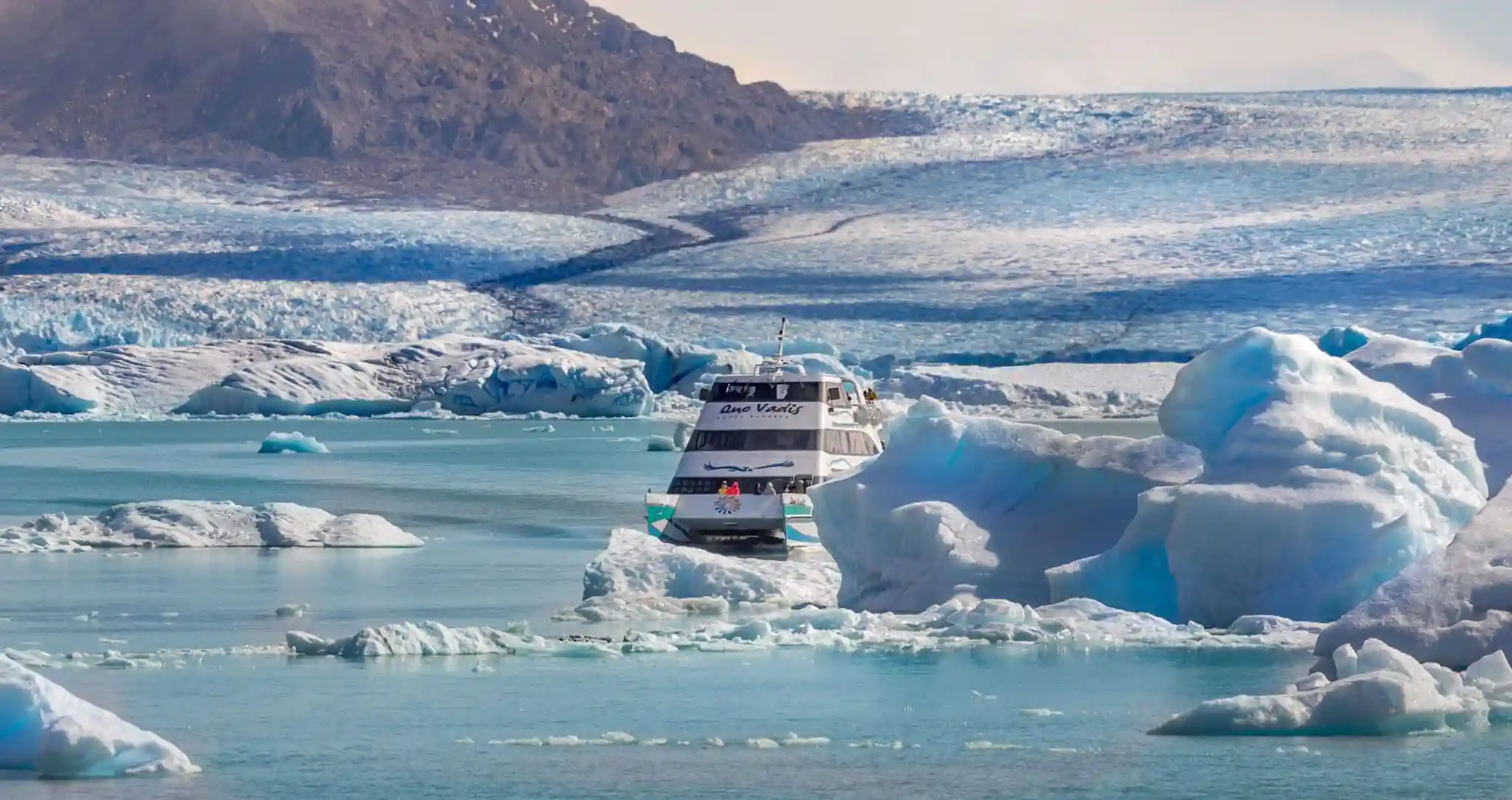
Boat navigating through icebergs toward a glacier on Lago Argentino near Perito Moreno in Patagonia.
A glacier cruise navigates through floating ice on Lago Argentino near Perito Moreno.

Glaciers such as Perito Moreno, Grey Glacier, and Upsala can be visited most of the year, but the best months for stable boat conditions and clear viewpoints are October to April. Wind and cold weather in winter can reduce visibility or cause cancellations.

Best months: October to April
Less reliable: June to August

Photography

Every season offers something special, but March and April stand out in many guides for their calm weather and vivid autumn colors. Spring brings fresh greenery and bright skies, while summer offers long light and high elevation views. Winter is excellent for dramatic snow scenes if you do not mind limited access.

Best months: March and April
Also great: September to November and December to February
Winter: best for snow scenes

Festivals and Seasonal Events in Patagonia

Festivals in Patagonia add cultural color to each season and can be a fun bonus if your travel dates line up. While events are not the main reason most people visit Patagonia, several guides highlight them because they help travelers understand what is happening throughout the year.

Summer Events

Summer brings the liveliest atmosphere across towns in both Chile and Argentina. Warm weather makes it an ideal time for outdoor celebrations, food fairs, and community gatherings.

Notable events:
  • Cherry Festival in Los Antiguos
  • Beer and food festivals in regional towns
  • Cultural celebrations in Punta Arenas and Ushuaia

Autumn Events

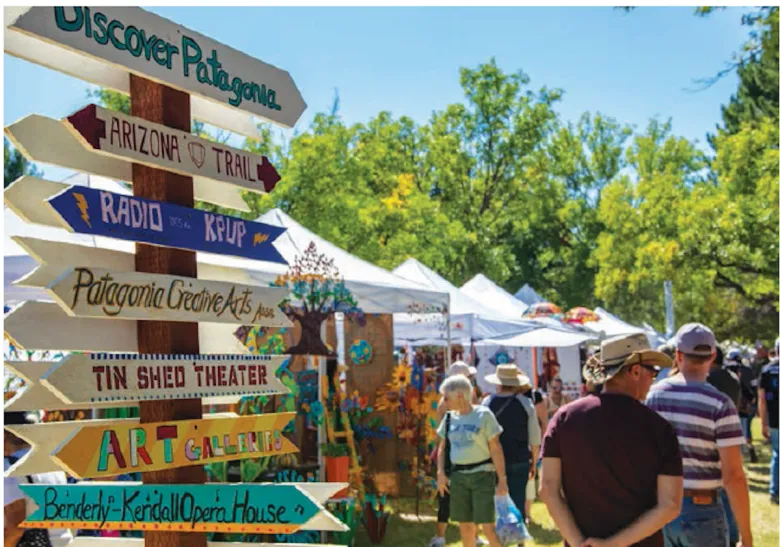
Outdoor autumn festival with local crafts, stalls, and visitors in a Patagonia-style setting.
Local fairs and festivals showcase the cultural side of Patagonia during the autumn months.

Autumn is calmer, but some towns host harvest celebrations and local cultural gatherings. Colors and cooler temperatures create a pleasant environment for nearby festivals.

Notable events:
  • Harvest related events in Argentine lake districts
  • Local food and artisan fairs in smaller towns

Winter Events 

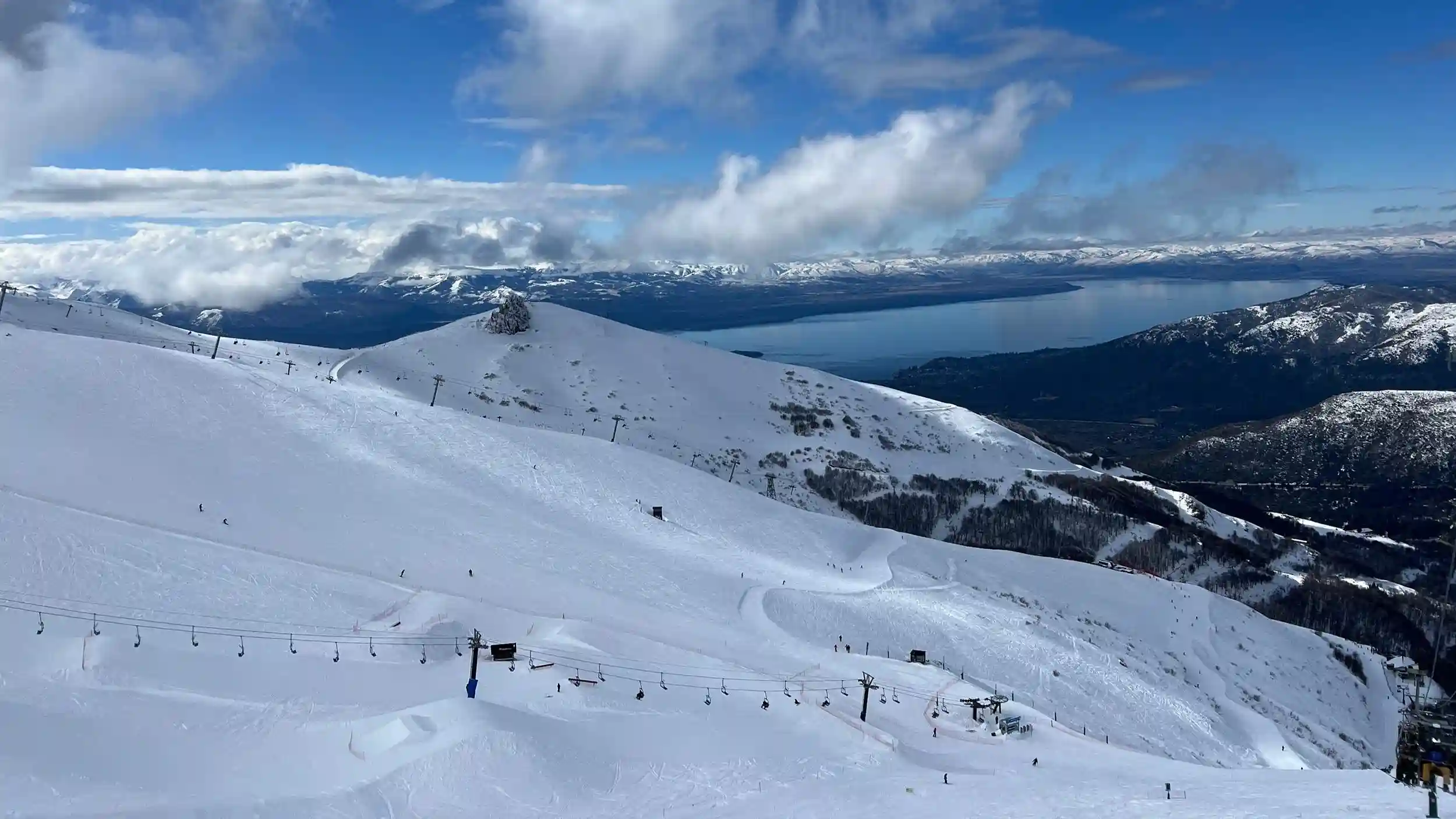
Ski slopes and snowy mountain views at Cerro Catedral ski resort in Bariloche during winter.
Cerro Catedral in Bariloche offers the best skiing conditions in Patagonia’s winter season.

Winter brings snow themed celebrations, especially in ski regions. These festivals attract visitors despite the low season for general sightseeing.

Notable events:

  • Fiesta de la Nieve (Snow Festival) in Bariloche and Ushuaia
  • Winter sports competitions in major ski resorts

Spring Events

Spring begins the cultural calendar again, with a mix of nature based and heritage events. This is also when some wildlife events, such as penguin arrivals, align with local celebrations.

Notable events:

  • Eisteddfod in Welsh Patagonia
  • Early season food and artisan fairs

Conclusion and Next Steps

The best time to visit Patagonia depends on what you want from your trip. Summer from December to February offers the warmest weather, the longest days, and the widest access to trails and parks. Spring and autumn provide a comfortable balance with fewer crowds, moderate prices, and beautiful scenery. Winter brings snow and quiet landscapes but limited access to many popular areas.

When your trip revolves around specific activities, the ideal season becomes even clearer. Hiking is most reliable in summer. Wildlife viewing peaks in spring and early autumn. Glacier trips and photography are rewarding from October to April. Each season has its own strengths, so choosing the right one depends on your priorities.

If you’re starting to map out your route, a detailed Patagonia travel itinerary can help you understand how long to spend in each region and what’s realistic in different seasons.

For travelers researching Patagonia as part of a group adventure, you might like looking at our Wonders of Patagonia Chile and Argentina Tour, an 11 day journey that includes experiences such as Ushuaia, the Beagle Channel, Perito Moreno Glacier, and Torres del Paine National Park. It offers a useful example of how a group itinerary can flow comfortably across the region.

For more ideas and helpful travel tips, feel free to explore our travel guides and blog articles.