Your Trip, Your Way
Pick from our curated packages for an easy start, or work with our specialists to design a custom itinerary that fits your group perfectly.


Both sides share the same wild beauty, but the experiences feel very different once you are actually there. Use the breakdown below to understand what each side offers and where each one is stronger.
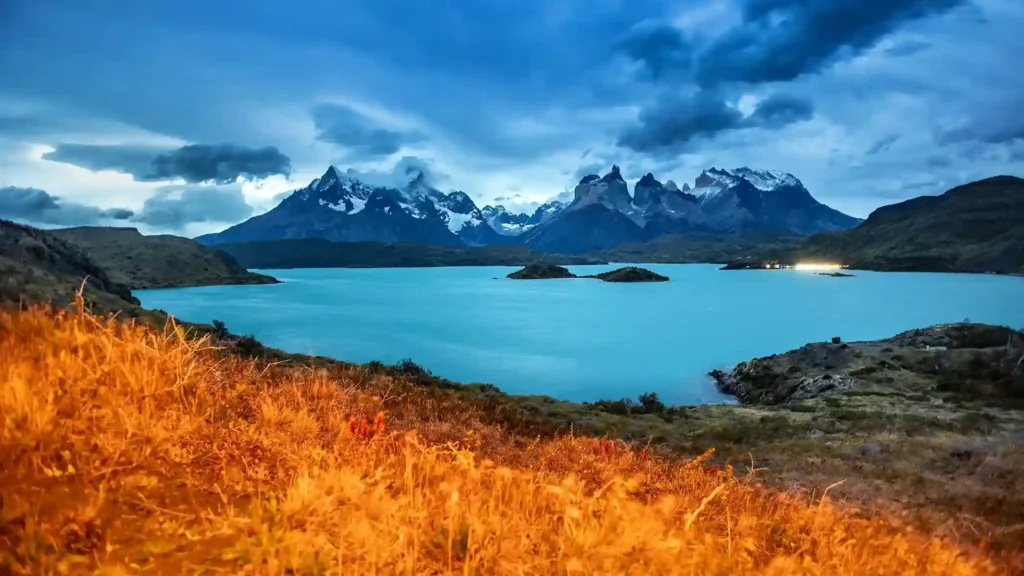
The biggest difference between Chilean and Argentinian Patagonia is how the landscapes feel when you see them in person. Chile delivers the dramatic postcard-style peaks, while Argentina gives you wide-open views, glaciers, and sharp granite spires. Both are stunning, but the experience of being there is not the same.
Chile: Dramatic Peaks and Wild Horizons
Chile’s side of Patagonia is all about big mountain drama. Torres del Paine National Park is the centerpiece, with sheer rock towers, bright blue lakes, and rugged valleys that feel untouched. The scenery changes fast as you hike, and the views are layered, colorful, and incredibly photogenic. This is where you go if you want that classic Patagonia panorama.
Argentina: Glaciers, Granite Spires, and Expansive Valleys
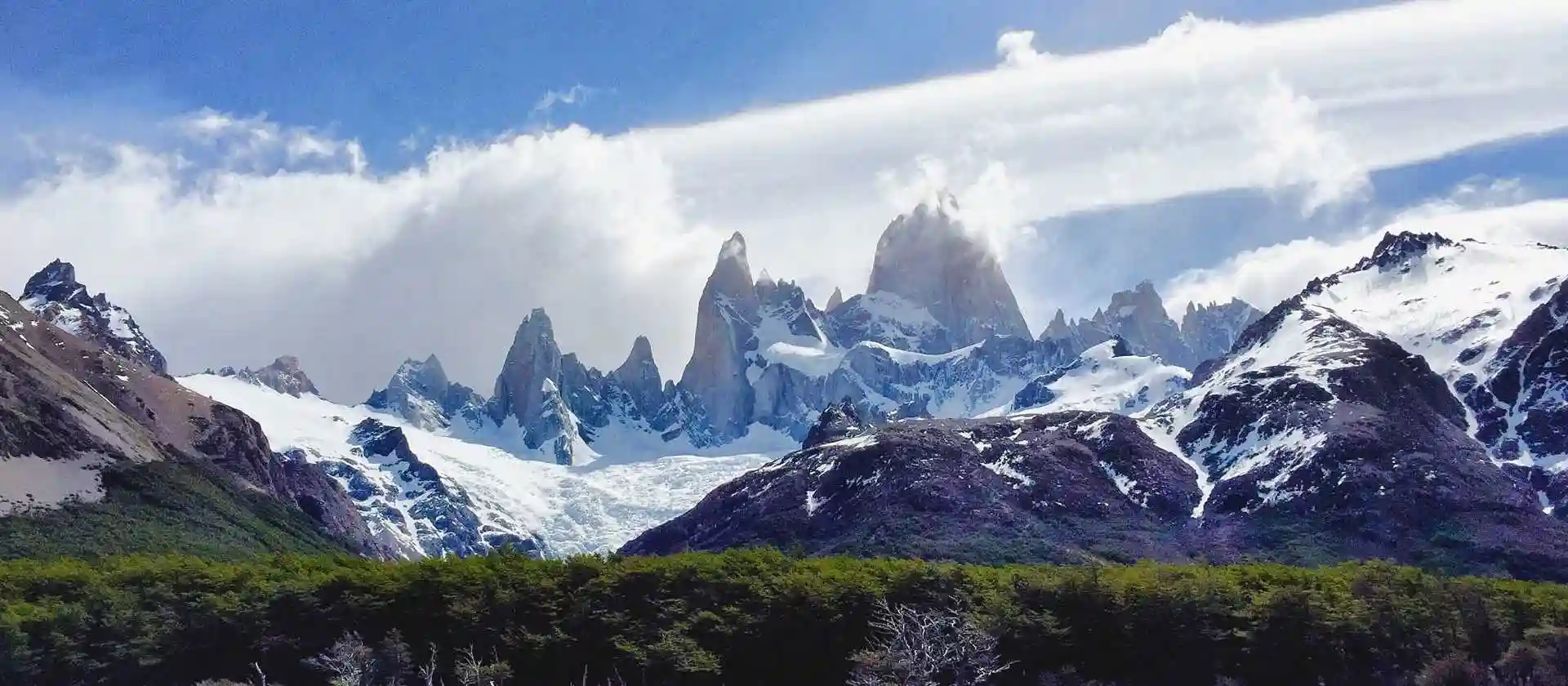
Argentina’s landscapes feel more open and spacious, and the major highlights are concentrated around El Calafate and El Chaltén. Perito Moreno Glacier is one of the most impressive glacier experiences in the world, and the Fitz Roy range rises sharply above the plains in a way that looks unreal. You get huge skies, big mountain silhouettes, and easy access to viewpoints.
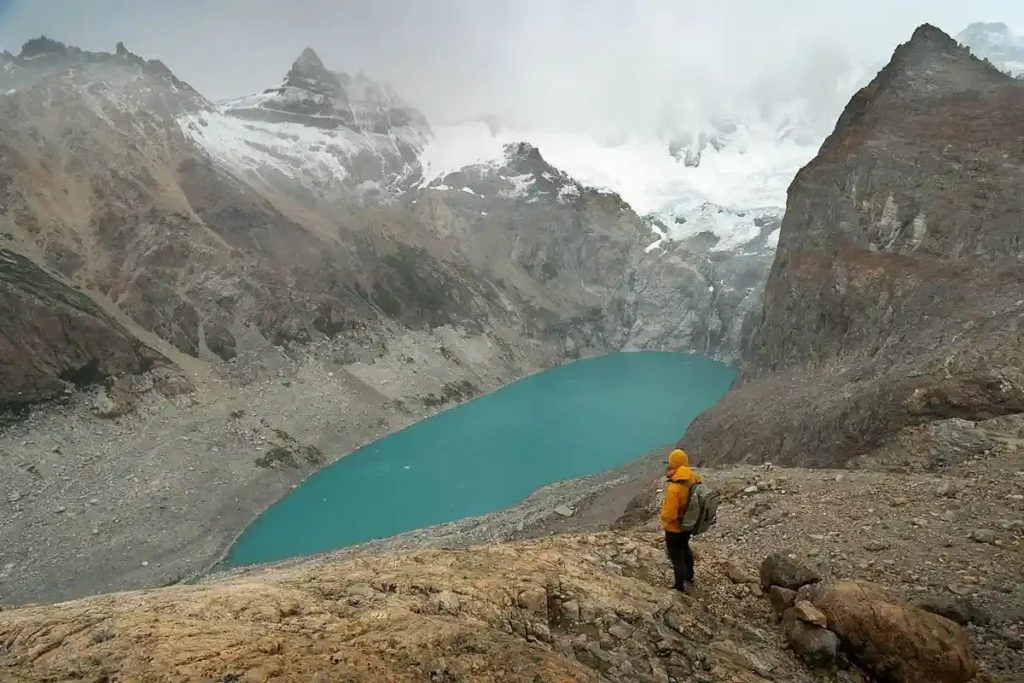
Choose Chile if you want multi day treks and big mountain trails. Choose Argentina if you prefer iconic day hikes and world class glacier experiences. Both sides are amazing, but they cater to different styles of adventure.
Chile: Multi Day Treks and Classic Mountain Routes
Chilean Patagonia is home to some of the most iconic treks in the world.The W and O circuits in Torres del Paine draw hikers who want long, rewarding days on the trail. Views change constantly, trails feel remote, and the sense of scale is huge.
Even the shorter hikes inside the park feel like mini versions of the longer routes, with sharp peaks and bright lakes around every turn, similar to many other scenic places to hike in Patagonia.
Argentina: Iconic Day Hikes and Glacier Experiences
Argentina shines when it comes to accessible yet unforgettable day hikes. Laguna de los Tres and Laguna Torre offer some of the best single day routes in South America, and the trailheads start right from El Chaltén. Glacier experiences are easier here too.
You can reach Perito Moreno Glacier in a simple day trip, take boat rides close to the ice, or even book a guided ice walk, along with many other exciting things to do in Patagonia.
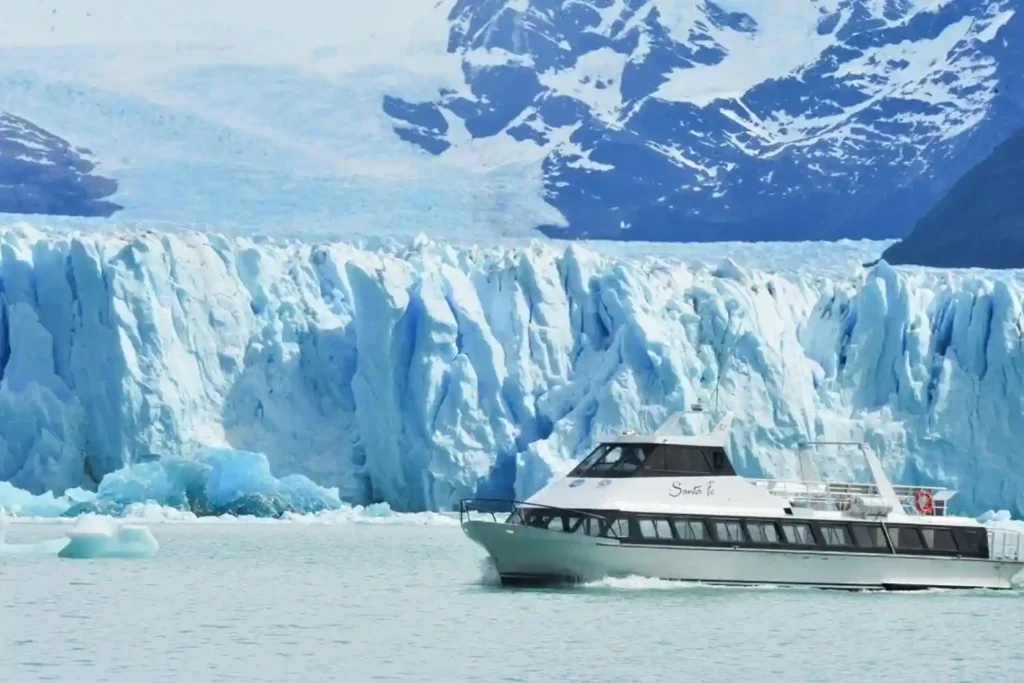
If glaciers and wildlife are high on your Patagonia wishlist, the difference between Chile and Argentina becomes very clear. Argentina offers the easiest and most impressive glacier access, while Chile delivers fjords, remote landscapes, and stronger wildlife variety, depending on where you go.
Argentina: The Easiest and Most Spectacular Glacier Access
Argentina is the better choice if your priority is to see glaciers up close without complicated logistics. Perito Moreno is one of the only advancing glaciers in the world, and you can visit it in a simple day trip from El Calafate. Walkways, boat rides, and guided ice treks make the experience accessible for almost anyone. Add nearby glaciers like Upsala and Spegazzini, and you get an impressive amount of glacier viewing in a short amount of time.
Chile: Fjords, Blue Ice, and More Remote Wildlife Spots
Chile’s glaciers are more remote and usually part of a broader landscape experience. Grey Glacier inside Torres del Paine is the easiest to reach, and the viewpoint or boat ride offers beautiful blue ice walls framed by mountains. Beyond that, many Chilean glaciers sit deep inside fjords, accessible through longer boat trips or expedition style cruises. Wildlife viewing in Chile can be stronger in certain regions, especially for guanacos, condors, and pumas around Torres del Paine.
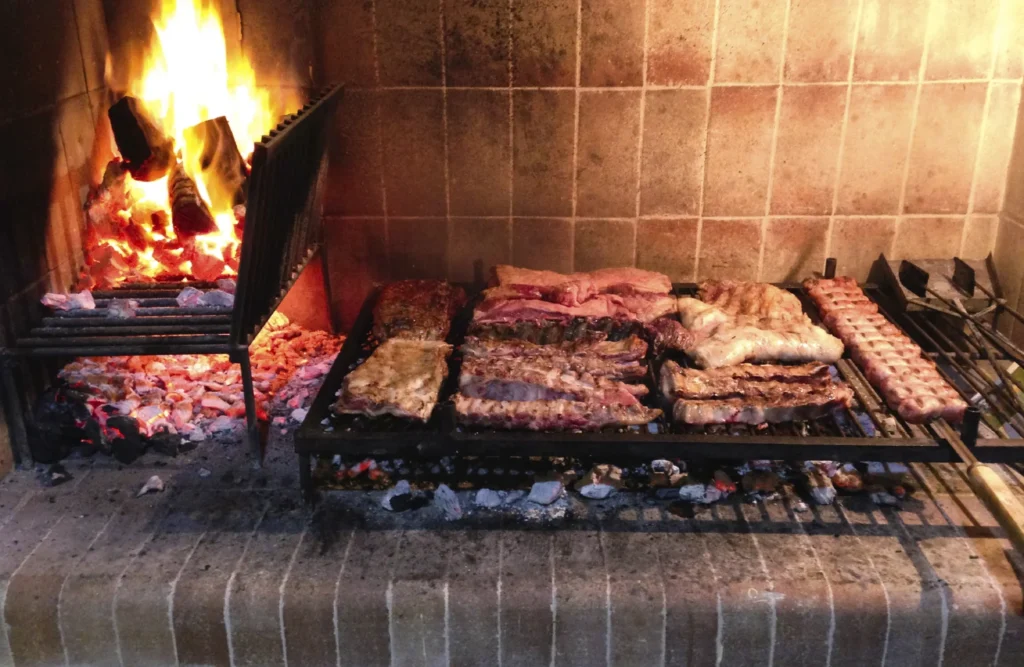
The cultural experience in Patagonia feels different on each side of the border. Argentina offers a lively food scene and strong gaucho culture, while Chile feels quieter and more nature focused, with simple local dishes and a calmer overall vibe.
Argentina: Steaks, Wine, and Strong Gaucho Traditions
Argentina is the better choice if food is part of your travel enjoyment. You can even find delicious grilled meats, filling stews, and bakeries with freshly baked goods even in remote towns. Many estancias serve traditional asado meals, and wine flows easily. The vibe here feels more social and energetic, especially in hub towns like El Chaltén and El Calafate where hikers and backpackers gather after a day on the trails.
Chile: A Calmer Atmosphere with Simple, Local Flavors
Chilean Patagonia feels more low key, subdued, and rooted in nature. Expect a quieter pace, smaller towns, and less emphasis on nightlife or dining. Seafood, lamb, soups, and rustic dishes are common, and meals often feel homemade rather than polished. Unplugging, staying in picturesque lodges, and taking in the scenery are more important aspects of the experience than pursuing culinary culture.
When it comes to overall cost, Patagonia is expensive on both sides, but Argentina is generally more budget friendly, while Chile tends to cost more, especially near major parks. The gap comes from differences in infrastructure, park access, fuel and food costs, and how each destination manages tourism.
Argentina: Better Value and More Budget Flexibility
Argentina offers more variety at every price point because most tourism hubs are town based. Larger towns like El Calafate and El Chaltén have more competition, more restaurants, and more midrange hotels, which naturally lowers prices. Domestic transportation is also simpler and cheaper, and strong local food production helps keep dining costs lower.
Chile: Higher Prices Because of Remoteness and Park Regulations
Chilean Patagonia is more expensive mainly because key attractions like Torres del Paine sit in very remote areas. Supplies, food, and fuel must travel long distances, and many lodges operate seasonally with limited availability. Park regulations and controlled development restrict how many accommodations can operate inside or near the park, which keeps prices high and demand strong.
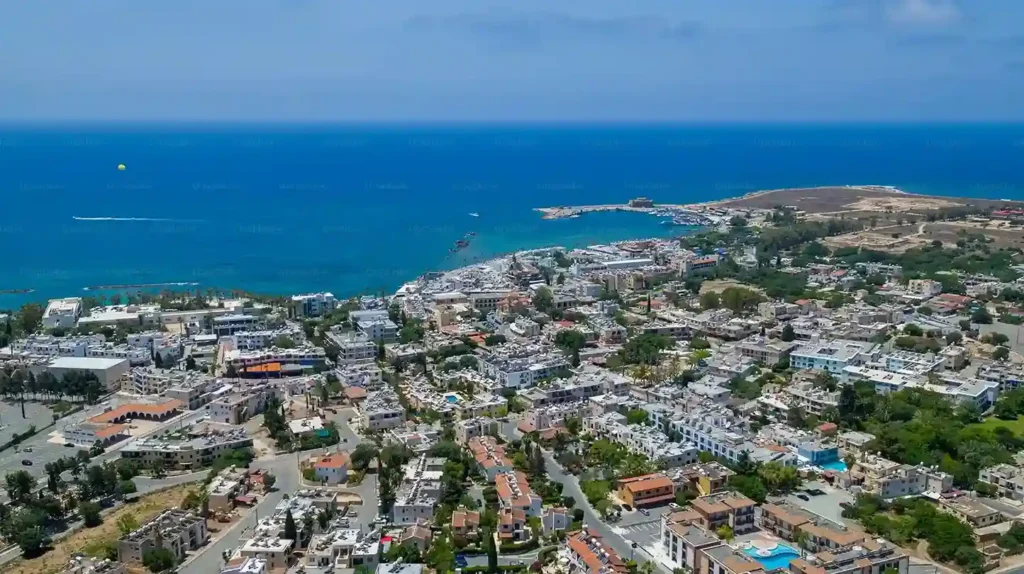
Getting around Patagonia is very different depending on which side you choose. Argentina offers simpler town based logistics, while Chile requires more transfers and longer travel times, especially if you want to stay near Torres del Paine. Both sides are manageable, but the experience feels very different when you are actually moving between places.
Argentina: Easier Transport and Shorter Travel Days
Argentina is the more convenient option if you want a smoother travel flow. Major highlights sit close to populated hubs, which means shorter drives and easier day trips. El Calafate and El Chaltén are connected by straightforward bus routes, and both offer plenty of accommodations within walking distance of restaurants and trailheads. Domestic flights are frequent, and most planning can be done independently without complex arrangements.
Chile: Longer Distances and More Park Based Transfers
Chilean Patagonia feels more remote, and that affects logistics. Torres del Paine is far from major airports, so travelers typically fly into Punta Arenas or Puerto Natales and continue by bus, car hire, or private transfer. Many lodges are located deep inside the park or in isolated valleys, which increases travel time and cost. The experience is incredibly rewarding, but it is less convenient and requires more advance planning.
These quick outlines show how a Patagonia trip typically comes together on each side. They are not full itineraries, but simple frameworks to help you picture what a Chile only, Argentina only, or combined route looks like.
Ideal for travelers who want dramatic mountain scenery and classic trekking routes.
Best for travelers who want iconic day hikes and easy access to glaciers.
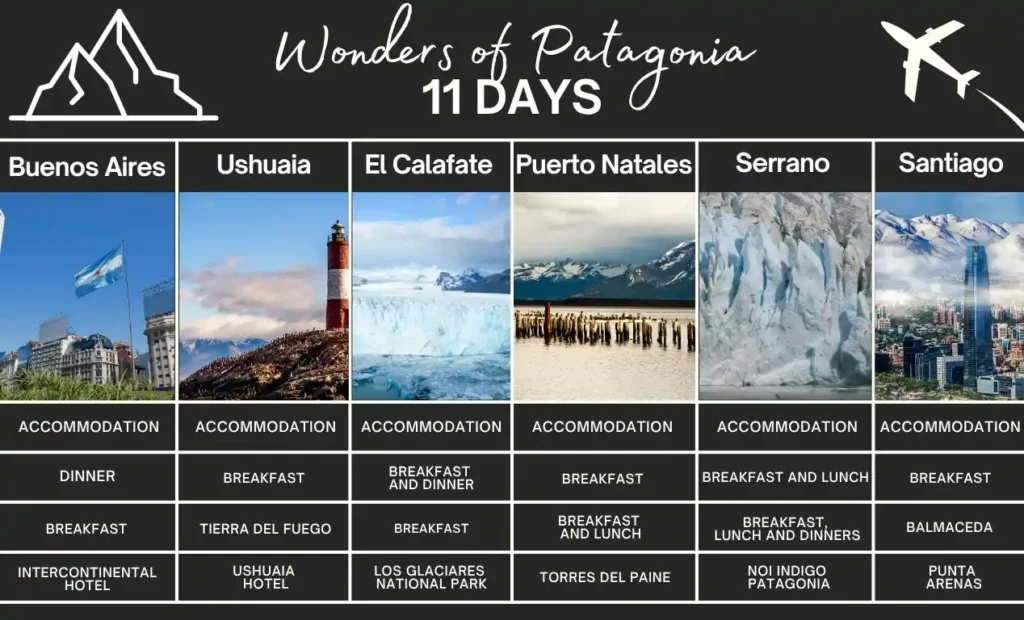
Seeing both Chilean and Argentinian Patagonia in one trip gives you the most complete experience, and it follows the same flow you might see in our detailed Patagonia travel itinerary.