
The Great Migration and raw wilderness
Choose...
Kenya (Masai Mara)
Why
Iconic open plains and dramatic wildlife action from July to October

If you are torn between Kenya’s wild savannahs and South Africa’s polished private reserves, you are not alone. Both deliver unforgettable safari experiences, but they differ in wildlife density, comfort levels, and overall cost.
The quick guide below helps you match the right destination to your travel goals, timing, and style.
| If you want... | Choose... | Why |
|---|---|---|
| The Great Migration and raw wilderness | Kenya (Masai Mara) | Iconic open plains and dramatic wildlife action from July to October |
| Year-round Big Five sightings and easy logistics | South Africa (Kruger or Sabi Sands) | Consistent game viewing, malaria-free options, and smooth travel connections |
| A luxury safari with city or wine-country add-ons | South Africa | Combine a safari with Cape Town, the Winelands, or Whale Coast |
| A bush and beach combination | Kenya | Seamless connections to Diani, Lamu, or Zanzibar for post-safari relaxation |
| A longer trip for the same budget | South Africa | Better value thanks to the local currency and lower park fees |
👉 Swipe to explore
The Great Migration and raw wilderness
Year-round Big Five sightings and easy logistics
A luxury safari with city or wine-country add-ons
A bush and beach combination
A longer trip for the same budget
Tip: If your plans lean toward Kenya, explore our handpicked Kenya safari packages created for first-time travelers, families, and wildlife photographers. If you are more drawn to South Africa and prefer a fully customized itinerary, Talk with our Travel Specialist to start planning your tailor-made safari adventure.

Reviewed with our Kenya specialist to add authentic knowledge of wildlife and traditions.
Your travel dates can make one destination clearly better than the other. Both Kenya and South Africa offer amazing game viewing, but their seasons work differently. Knowing when to go is often the easiest way to decide between them.

If you’ve always wanted to see the Great Migration, July through October is the best time to visit Kenya. Travelers visiting outside that window still enjoy excellent predator sightings and vibrant birdlife.

South Africa offers dependable safaris in every season, making it ideal for travelers who want to go any time of year without worrying about timing.
The thrill of witnessing Big Five in their native environments can be found in both South Africa and Kenya. The difference lies in how those moments feel. The setting, level of comfort, and type of safari vehicle all shape the overall experience.

Kenya, according to many travelers, feels authentic and unvarnished, with unexpected surprises on every game drive.

Many travelers say that travelling to South Africa is more straightforward, combining luxury and wildlife in one seamless experience
Pick from our curated packages for an easy start, or work with our specialists to design a custom itinerary that fits your group perfectly.
Reaching both destinations is simple, but the logistics vary.
Both Kenya and South Africa offer a wide range of safari experiences for every budget.
South Africa generally delivers better value for money, while Kenya provides a wilder and more exclusive experience that can come at a higher price once all costs are considered.
Below is table of typical Safari Costs (Per Person, Per Night)
| Category | Typical Inclusions | Kenya (East Africa) | South Africa (Southern Africa) | Key Differences |
|---|---|---|---|---|
| Budget | Group tours, basic camps or lodges, shared transport (safari van or minibus), simple meals. Park fees often not included. | $180 – $300 | $150 – $350 | Kenya safaris are mostly road-based, while South Africa offers more self-drive options in national parks. |
| Mid-Range | Small group or private tours, comfortable lodges or tented camps with en-suite bathrooms, 4x4 vehicles, better food. Game drives and some park fees often included. | $300 – $550 | $350 – $650 | South Africa’s mid-range often includes private reserve lodges with higher guide quality. |
| Luxury | Exclusive camps or lodges, private guides and vehicles, potential fly-in transfers, all-inclusive gourmet food and drinks. All park or conservancy fees included. | $550 – $1,500+ | $700 – $1,500+ | Kenya excels in fly-in safaris to remote conservancies, while South Africa focuses on exclusive private reserves. |
Budget
Typical InclusionsGroup tours, basic camps or lodges, shared transport (safari van or minibus), simple meals. Park fees often not included.
Kenya (East Africa)$180 – $300
South Africa (Southern Africa)$150 – $350
Key DifferencesKenya safaris are mostly road-based, while South Africa offers more self-drive options in national parks.
Mid-Range
Typical InclusionsSmall group or private tours, comfortable lodges or tented camps with en-suite bathrooms, 4x4 vehicles, better food. Game drives and some park fees often included.
Kenya (East Africa)$300 – $550
South Africa (Southern Africa)$350 – $650
Key DifferencesSouth Africa’s mid-range often includes private reserve lodges with higher guide quality.
Luxury
Typical InclusionsExclusive camps or lodges, private guides and vehicles, potential fly-in transfers, all-inclusive gourmet food and drinks. All park or conservancy fees included.
Kenya (East Africa)$550 – $1,500+
South Africa (Southern Africa)$700 – $1,500+
Key DifferencesKenya excels in fly-in safaris to remote conservancies, while South Africa focuses on exclusive private reserves.
Note: Prices overlap between Kenya and South Africa, but South Africa’s rates typically include park fees and transfers, while Kenya’s do not. When all costs are factored in, South Africa often ends up 20–30 percent more affordable overall.
Both Kenya and South Africa offer extraordinary safari experiences, but the better choice depends on the kind of traveler you are.
Use the guide below to see which aligns most closely with your style, expectations, and comfort level.
First timers often choose South Africa as its the most comfortable starting point
Well-developed infrastructure, malaria-free reserves, and direct flights make planning simple. Lodges in private reserves such as Sabi Sands and Madikwe offer high-quality guiding and a strong chance of seeing the Big Five in just a few days.
If your main goal is capturing dramatic wildlife scenes, Kenya is unmatched. The Masai Mara’s open plains, the Great Migration, and predator-rich conservancies create the ideal balance of drama and scale.
Photographers benefit from soft morning light, long sightlines, and unique seasonal spectacles that are harder to replicate elsewhere.
South Africa works best for families with younger children. Many lodges in malaria-free areas offer family suites, child-friendly activities, and flexible schedules that keep both parents and kids comfortable.
Kenya, by comparison, suits families with older children who can handle longer drives and a more adventurous pace.
For travelers who prefer a sense of discovery and off-grid adventure, Kenya is your go-to choice.
Its remote conservancies, walking safaris, and fly-in camps offer a true feeling of exploration. Days are filled with variety: bush picnics, cultural visits, and even hot-air balloon rides over the plains.
Both Kenya and South Africa are excellent for romantic getaways.
Kenya provides easy beach extensions to Diani or Zanzibar, private tented camps, and stunning sunsets. South Africa adds luxury lodges with private decks and plunge pools, plus post-safari stays in Cape Town or the Winelands.
If Kenya feels like your perfect safari destination, these curated packages capture its essence with incredible wildlife, scenic diversity, and authentic cultural experiences.
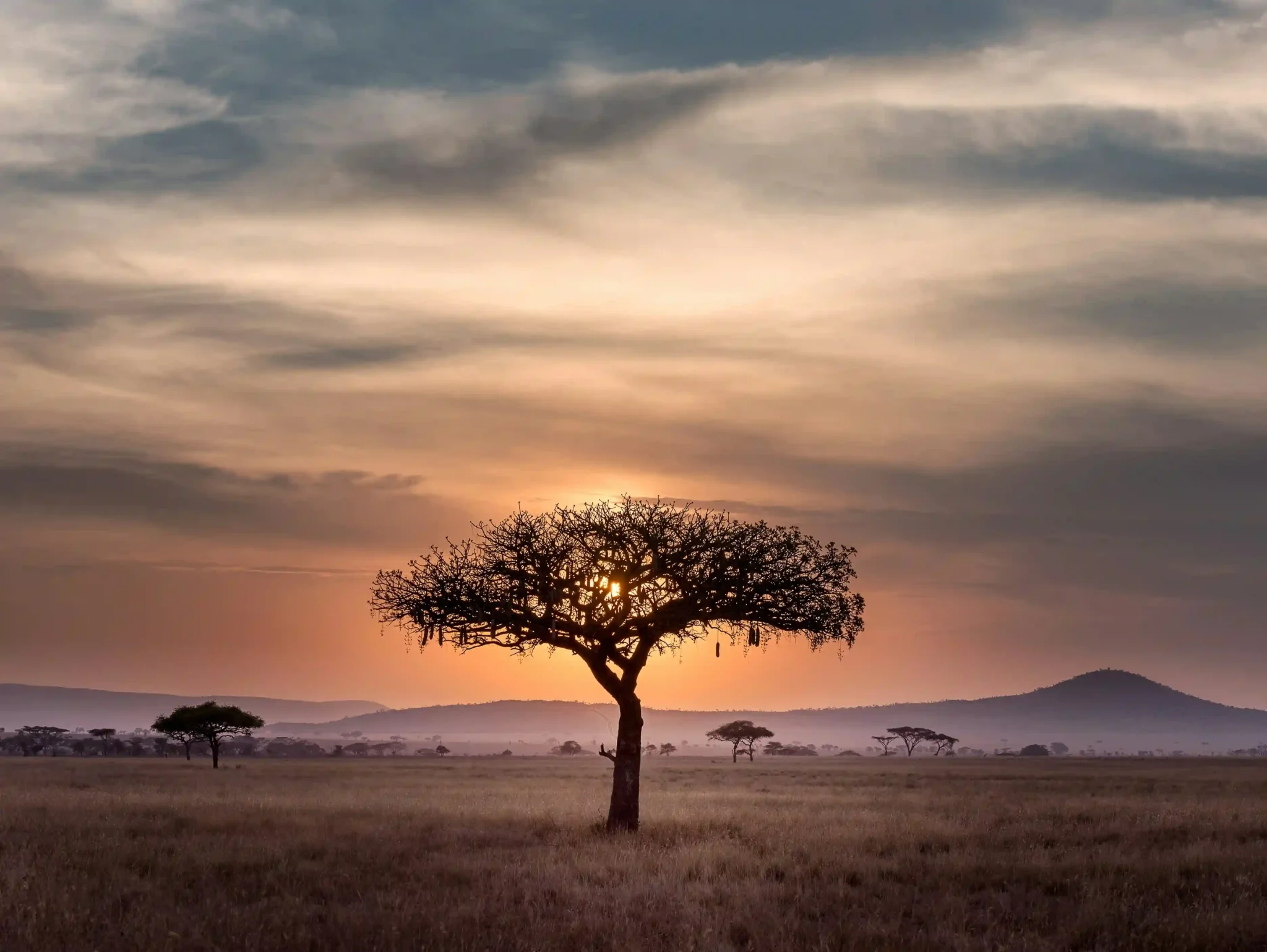
1. Wonders of Kenya Safari (9 Days of Wildlife & Culture)
Best for: Cultural explorers and first-time safari travelers.
Highlights:
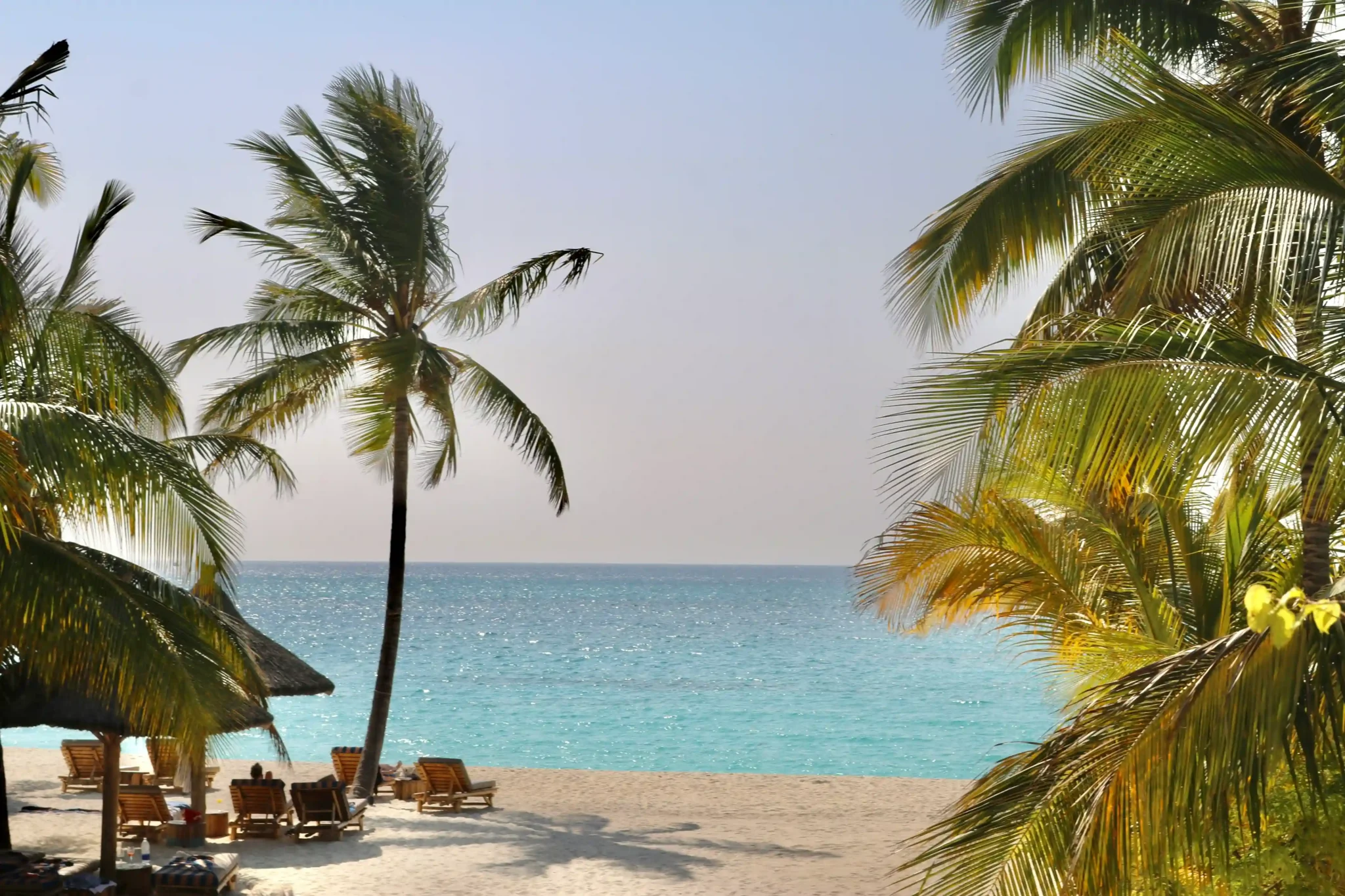
2. Kenya & Zanzibar Safari (12 Days of Adventure & Relaxation)
Best for: Couples and travelers who want both safari thrills and coastal serenity.
Highlights:
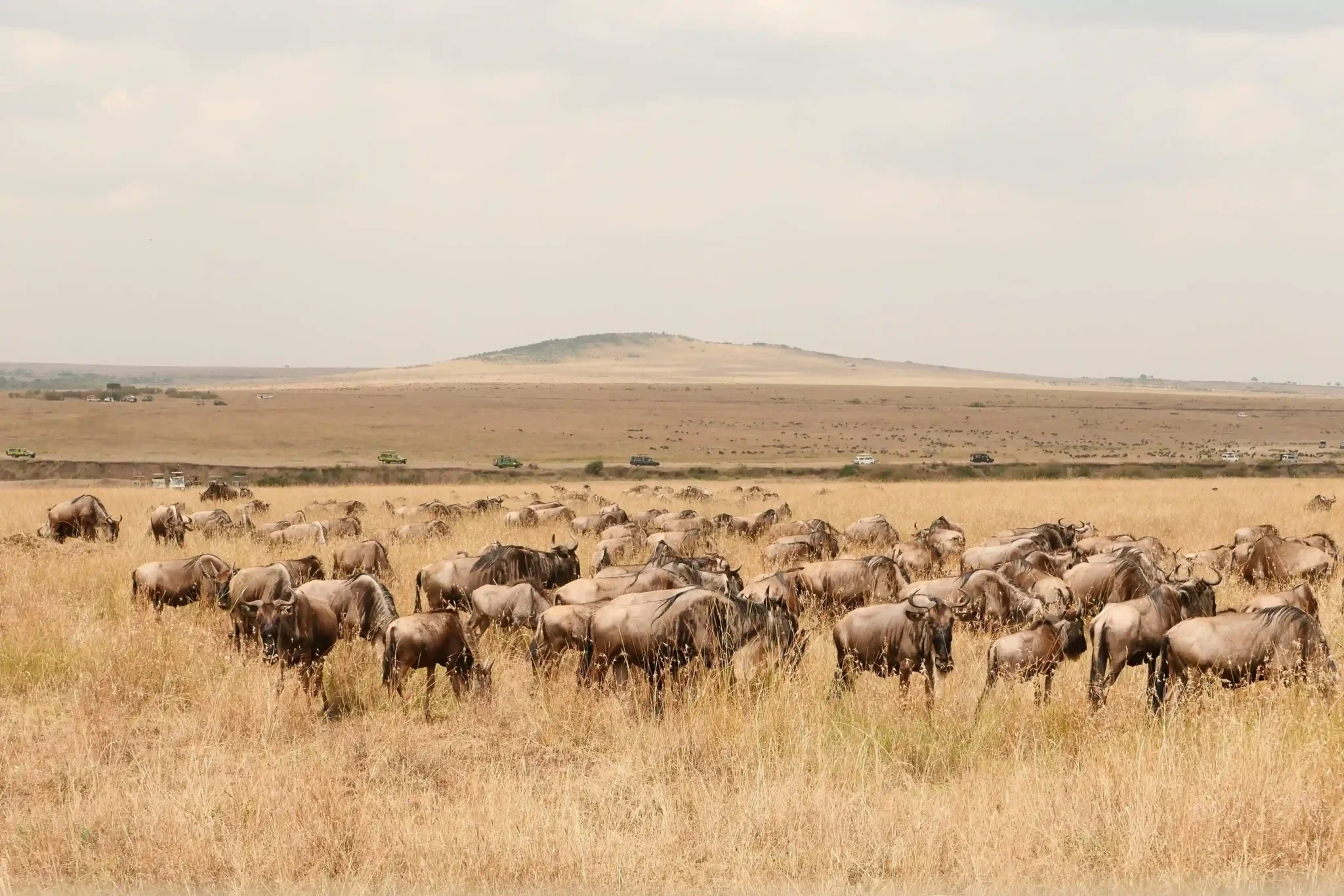
3. Kenya & Tanzania Safari Adventure (14 Days Across East Africa)
Best for: Safari purists and wildlife photographers.
Highlights:
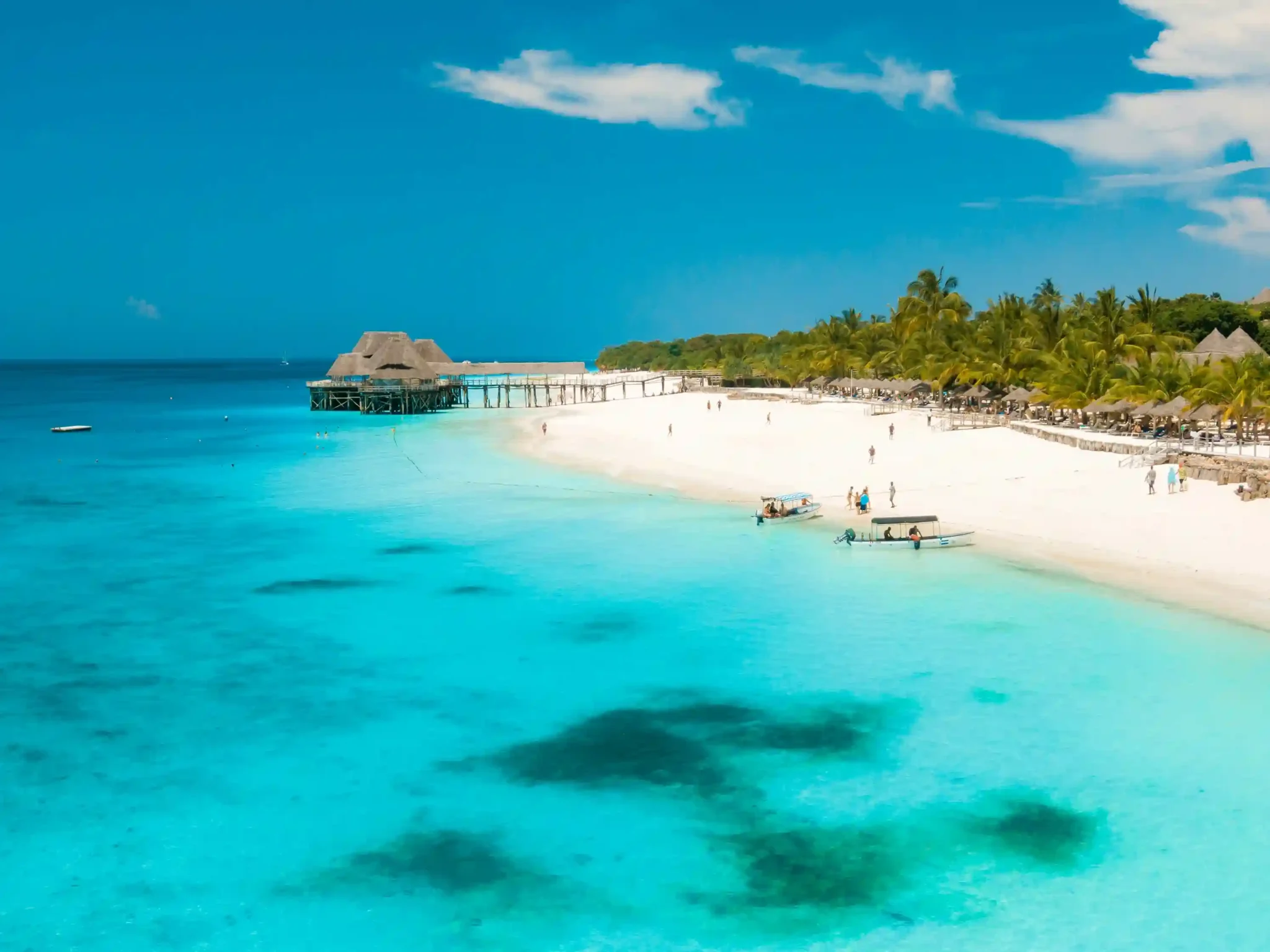
4. Kenya, Tanzania & Zanzibar Safari (17 Days of East Africa’s Best)
Best for: Luxury travelers seeking the ultimate all-in-one experience.
Highlights:
Both deliver unforgettable game drives and authentic moments in nature. The difference lies in tone and travel style.
Every traveler connects differently to Africa’s wild heart. Which experience calls to you—Kenya’s raw wilderness or South Africa’s graceful charm?
US Group Travel helps travelers discover experiences that fit their style. From the wild beauty of Africa to the cultural treasures of Asia and the iconic landscapes of Europe and the Americas, each journey is designed to create lasting memories.
If you would like to learn more before planning your next trip, explore the US Group Travel Blog for African safari guide, expert insights, travel tips, and inspiration to help you plan your next great adventure.