Kenya safari landscape at sunset with a safari vehicle on a dusty road and Mount Kilimanjaro in the distance.

Kenya Safari Packing List: What to Wear and Pack for 2025

Packing for a Kenya safari is easier when you know exactly what is essential and what is not. This guide gives you a clear, Kenya-specific list that covers clothing, luggage limits, health items, and the small but important things travelers often overlook. You will also find a simple table-style checklist in the next section that makes planning fast and stress free.

Picture of Edited by Sharon, Regional Expert in Kenya

Edited by Sharon, Regional Expert in Kenya

Reviewed with our Kenya specialist to add authentic knowledge of wildlife and traditions.

Table of Contents

Safari Packing Checklist for Kenya

Safari packing flat lay with camera, hat, sandals, sunglasses, and travel accessories.
A simple safari packing flat-lay showing key accessories to bring on a Kenya safari.

Here is a simple, easy to scan checklist that highlights the core items most travelers bring on a Kenya safari. Use it as a quick overview. In the sections that follow, we will break each category down in more detail so you know exactly what to pack and why it matters.

Clothing and Layers

Item

Notes

Neutral T-shirts

Light, breathable, quick drying

Long sleeve shirts

Good for sun, insects, and cool mornings

Safari trousers or quick dry pants

Preferably technical or breathable fabric

Lightweight fleece

Needed for early game drives and cool evenings

Thin rain jacket

Useful in rainy seasons and unpredictable showers

Hat with a brim

Better coverage than a cap

Lightweight scarf or buff

Helps with dust and sun

Socks and underwear

Enough for days between laundry services

Shoes

Item

Notes

Closed walking shoes

Good for daily game drives

Slip on shoes

Easy around camp

Flip flops

For pool or lodge downtime

Toiletries and Health

Item

Notes

Sunscreen

High SPF recommended

Insect repellent

Tropical strength

Prescription medications

Bring required doses and a spare set

Malaria prophylaxis

Follow travel clinic guidance

Basic first aid

Pain relievers, bandages, motion sickness tablets

Personal hygiene items

Camps provide basics but not everything

Electronics and Camera Gear

Item

Notes

Phone and charger

Add portable power bank

Universal adaptor

Kenya uses UK style type G plugs

Camera and lenses

Optional but useful for wildlife

Memory cards and backups

Extra space recommended

Headlamp or small torch

Helpful in camps with limited lighting

Documents and Money

Item

Notes

Passport

Six months validity recommended

eTA or visa

Based on nationality

Travel insurance

Medical and trip cover

Cash and cards

Mix of both is ideal

Backup document copies

Printed or digital

What to Wear on a Kenya Safari

Woman wearing an earth-tone safari outfit suitable for game drives and Kenya’s warm climate.
Neutral safari clothing helps you stay comfortable and blend into the environment.

Neutral colours make the biggest difference on safari. Shades like tan, olive, beige, brown, and khaki help you stay less visible to wildlife and keep dust stains from showing.

Avoid these colours when possible:

  • Black or navy, which attract tsetse flies in certain regions
    What to Pack for Safari in Keny…
  • White, which shows dust quickly
  • Camo, which is restricted for civilians in Kenya

Dress in Layers for Cool Mornings and Warm Afternoons

Mornings on game drives can feel surprisingly cold, especially in open vehicles. By midday the heat rises quickly, so it is easiest to dress in layers you can remove as the day warms up.

A simple layering setup works best:

  • Lightweight long sleeve for sun and insects
  • Thin fleece for early drives
  • Breathable T shirt underneath
  • Packable rain shell for surprise showers

Choose Breathable, Quick Dry Fabrics

Safari clothing does not need to be brand new or safari branded. What matters is comfort and practicality. Technical fabrics regulate heat better and dry faster after hand washing, which many camps expect.

Some guides also mention that altitude changes can cause slight swelling in the waist or ankles, so adjustable waistbands and non-restrictive fits help you stay comfortable.

How Many Clothes to Pack

Most Kenya safaris offer laundry services, so you only need enough for a few days between washes. This keeps your packing light and helps you stay within the 15 kg luggage limit.

A simple benchmark:

  • 2 to 3 breathable T shirts
  • 1 to 2 long sleeve shirts
  • 2 pairs of trousers
  • 1 pair of shorts (optional)
  • 1 warm layer
  • 1 lightweight rain jacket
  • Enough socks and underwear for the gap between laundry days

Bring Shoes That Are Practical, Not Heavy

Footwear does not need to be bulky. You will spend most days in vehicles, so comfort beats durability.

Recommended basics:

  • Closed walking shoes
  • Easy slip ons for camp
  • Flip flops for pool or shower

Avoid white shoes in areas like Samburu or Tsavo, where the red soil can stain permanently

Kenya Weather and Seasons: How to Adjust Your Safari Packing

Matching your clothes and layers to the season you’re traveling in is the best way to pack, and knowing the best time to go on a safari in Kenya makes it much easier to understand how weather changes throughout the year.

Dry Season Packing (June to October, January to February)

The dry months are warm, sunny, and dusty. Days heat up quickly once the sun rises, but early mornings and evenings stay cool in open vehicles.

Bring items that handle dust and strong sun well:

  • Breathable shirts
  • Light fleece for early game drives
  • Sunglasses and a wide brim hat
  • Quick dry trousers
  • A scarf or buff for dusty tracks

You may not need heavy rain gear, but a thin shell is still helpful for wind.

Rainy Season Packing (March to May, November to December)

Rainy months bring short showers, greener landscapes, and higher humidity. Clothing that dries fast is essential.

Useful items include:

  • Thin waterproof jacket
  • Quick dry shirts and trousers
  • Extra socks
  • Microfiber towel
  • Waterproof bag or pouch for electronics

Temperatures stay comfortable, but humidity means cotton dries slowly.

Regional Weather Notes That Matter When Packing

Kenya’s main safari regions each have their own quirks, so adjusting a few clothing choices can make your trip more comfortable, especially if you’re also comparing destinations like a Tanzania vs Kenya safari, where landscapes and climate differ.

  • Masai Mara and Laikipia: mornings are colder than most travelers expect
  • Amboseli and Tsavo: hotter and drier, so pack more breathable fabrics
  • Samburu: famous for red soil that stains shoes easily
  • Rift Valley highlands: cooler evenings at altitude

Adjust your layers depending on where you spend the most time.

Kenya Safari Luggage Guide

Small safari bush plane on an airstrip used for Kenya safari flights and 15 kg luggage limit.
A typical Kenya bush plane—most safari flights require soft bags and a 15 kg luggage limit.

Packing light is one of the most important parts of preparing for a Kenya safari. Many safari flights use small aircraft, and that comes with strict weight rules, and most lodges have limited space in game drive vehicles. The goal is to keep everything compact and easy to move.

Understand the 15 kg Soft Bag Rule

Most bush flights in Kenya limit luggage to about 15 kg. This total includes your duffel bag, camera gear, and personal items. Hard suitcases do not fit well in small aircraft compartments, so soft sided bags are strongly recommended.

You will also appreciate a soft duffel when staff load bags into safari vehicles or onto camp transfers.

Choose the Right Bag Setup

A simple two bag system works best for almost every traveler:

  • One soft sided duffel as your main bag
  • One daypack for daily essentials and electronics

Packing cubes help keep clothing compressed and organized, especially when laundry services are available every few days.

How to Stay Within the Weight Limit

Clothing is not the main issue. Most travelers go over the limit because of shoes, heavy toiletries, and camera gear. Removing one pair of shoes or using smaller containers for liquids can free up important space.

Small tips that make a big difference:

  • Refill travel size containers
  • Limit heavy camera lenses unless needed
  • Wear bulkier items during transfers
  • Use lightweight fabrics for clothing

If your itinerary includes multiple flights between parks, staying under 15 kg avoids repacking stress.

Your Trip, Your Way

Pick from our curated packages for an easy start, or work with our specialists to design a custom itinerary that fits your group perfectly.

Health, Medications and Toiletries for Kenya Safaris

Safari first aid and health kit with essential medications and travel-size supplies.
A compact health kit with medications, insect repellent, and first-aid essentials for a Kenya safari.

Packing the right toiletries and health items can help you stay safe and in comfort amidst Kenya’s dust and changing temperatures. Although most camps provide basic amenities, it is always good to bring the personal items you rely on daily.Sun and Insect Protection Are Essential

Sun and Insect Protection Are Essential

Kenya’s sun is strong, even on cooler mornings, and some parks have more insects than others. Having proper protection makes a noticeable difference in comfort.

Bring:

  • High SPF sunscreen
  • Tropical strength insect repellent
  • SPF lip balm
  • After sun lotion if you burn easily

These are items that camps may not stock in your preferred brands.

Pack a Small but Complete Health Kit

You do not need a full medical bag, only the essentials. Most travelers carry a simple kit with the basics for headaches, minor injuries, or an upset stomach.

Useful items include:

  • Pain relievers
  • Motion sickness tablets
  • Anti diarrheal medication
  • Adhesive bandages
  • Antihistamines
  • Any prescription medication you require

For malaria prophylaxis, follow guidance from your travel clinic before departure.

Personal Hygiene Items to Bring

Camps and lodges usually provide soap and shampoo, but everyone has different preferences regarding personal hygiene, and it’s better to bring what you prefer for comfort.

Consider packing:

  • Toothbrush and toothpaste
  • Deodorant
  • Facial cleanser or wipes
  • Small moisturizer
  • Razor
  • Compact hairbrush or comb

If you have sensitive skin or specific preferences, bring travel size versions.

Laundry Services and What They Do Not Wash

In order to prevent overpacking, many lodges provide same-day laundry. However, for hygienic and cultural reasons, most camps do not wash underwear.

Bring enough underwear and socks for the days between laundry cycles.

What Electronics to Bring on a Kenya Safari

You do not need a lot of equipment. A simple, reliable setup works best for most travelers, especially on long game drives and in camps where the power supply may be limited.

Essential Electronics for Daily Use

These items help with navigation, communication and taking quick photos.

  • Phone and charger
  • Portable power bank
  • Universal adaptor (Kenya uses UK style type G plugs)
  • Headlamp or small torch for low light areas in camp

A power bank is especially useful on days when you are out for long game drives.

Camera Gear You May Want to Bring

You do not need professional photography gear to enjoy a safari. Many travelers use only their phone, while others prefer a camera for better zoom and low light performance.

A simple breakdown helps:

  • Basic setup: phone only
  • Mid level setup: mirrorless camera with a zoom lens
  • Advanced setup: camera body, longer lenses, extra batteries and storage

Even if you bring a small camera, extra memory cards and at least one spare battery are helpful.

Managing Power and Storage

Some camps run on solar power or have designated charging times. Plan for limited outlets and bring your own charging solutions when needed.

Smart tips include:

  • Charge devices during meals
  • Store footage on backup cards
  • Keep electronics in dust proof pouches during drives
  • Carry a dry bag or waterproof pouch in rainy seasons

These small habits protect your equipment and keep everything ready when wildlife appears.

Travel Documents, Money and Connectivity

Passport, boarding pass and travel cards prepared for an international flight to Kenya.
Keep your passport, boarding pass and travel documents organized before flying to Kenya.

Having your travel documents organized and knowing how payments and connectivity work in Kenya makes your trip smoother from the moment you land. This section covers the essentials so you can avoid last minute issues at airports, park gates or lodges.

Make Sure Your Travel Documents Are Complete

Kenya requires specific entry documents depending on nationality, so check these before departure.

You will need:

  • Passport with at least six months remaining
  • eTA or visa, depending on your citizenship
  • Travel insurance covering medical care and evacuation
  • Copies of your itinerary and booking confirmations

It is helpful to store digital copies in your email or cloud folder in case you misplace your physical documents.

Bring a Mix of Payment Methods

Cards work in many places, especially in Nairobi and larger lodges, but small amounts of cash can be useful for tips, local markets or small purchases.

A simple breakdown:

  • Main payment card (debit or credit)
  • Backup card
  • Small amount of cash in USD or Kenyan shillings
  • Secure pouch or wallet for travel days

Most safari camps can add extras or drinks to your final bill, so you will not need large amounts of cash during your stay.

Stay Connected in Kenya Without Extra Hassle

Wi Fi varies widely between lodges. Some offer strong signal in rooms, while others limit it to common areas. Mobile data is more reliable in most parks.

Easy options include:

  • Local SIM or eSIM for affordable data
  • Using WhatsApp for communication
  • Downloading maps offline before travel

If you rely heavily on connectivity, a local SIM or eSIM is the best choice for consistent signal between parks.

Safety and Hazard-Based Packing Tips

Kenya’s safari environments are generally safe, but a few natural factors can affect what you choose to wear and pack. These small adjustments make your experience more comfortable and prevent common issues visitors face for the first time.

Avoid Black and Navy Clothing in Tsetse Fly Zones

Certain areas in Kenya attract more tsetse flies, and these insects are especially drawn to dark colours. Parks where this matters include parts of:

  • Samburu
  • Meru
  • Tsavo East and nearby conservancies

Wearing earth tones instead of black or navy significantly reduces the chance of bites.

Wear Long Trousers and Closed Shoes for Ticks

Ticks are more common on walking safaris, in grassy areas and around forested lodges. Long trousers tucked loosely over shoes help prevent contact with skin, especially on morning bush walks.

Most travelers never encounter ticks, but dressing correctly avoids the risk entirely.
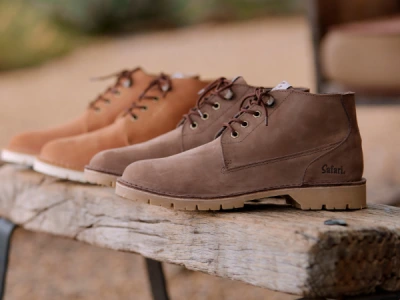
Choose Footwear Carefully in Red Soil Regions

Safari boots displayed on a wooden bench, ideal footwear for Kenya bush conditions.
Durable safari boots—perfect for bush walks and dusty terrain in Kenya.

Northern Kenya, including Samburu and parts of Laikipia, is known for its rich red soil. It stains quickly and permanently, especially on:

  • White shoes
  • Light mesh sneakers
  • Fabric sandals

Closed, darker shoes are more practical in these areas

Protect Your Devices from Dust and Sun

Dust is common throughout Kenya’s dry season, and game drives often stir it up. Cameras, phones and lenses need a little extra protection.

Smart habits include:

  • Using small dust proof pouches
  • Carrying a microfiber cloth for lenses
  • Storing gear in your daypack during very dusty drives
  • Keeping electronics out of direct sun when parked or at camp

These steps help your equipment last the entire trip without issues.

Expect Sun Exposure Even on Cool Days

Kenya’s UV levels stay high year round, and you will spend many hours outdoors.
The most effective protection is:

  • A wide brim hat
  • Sunglasses
  • Long sleeves in breathable fabric
  • SPF lip balm
  • Strong sunscreen reapplied during the day

This prevents burning during long game drives, especially in the Maasai Mara and Amboseli.

Conclusion and Next Steps

Focusing on comfort, light layers, neutral colors, and the necessities that fit Kenya’s climate and park conditions makes packing for a safari much simpler. You can stay within weight limits and feel ready for everything from chilly morning drives to warm afternoons by making a few wise decisions about your attire, luggage, and daily necessities.

Your next step: Use the checklist and guides above to pack confidently and enjoy your safari without stress, and when you’re ready to plan your route, our Kenya travel itinerary can help you map out each stage of your adventure.

If you are planning a safari or coordinating travel for family, friends or any organized group, US Group Travel can help you plan everything from custom itineraries to travel logistics. Explore our other travel guides and blogs for more ideas and destination insights.

Frequently Asked Questions

What kind of bag should I use for day trips on game drives?

Most travelers use a simple daypack to hold sunscreen, a scarf, a camera, water and any items you want close by. Choose a soft, compact bag that fits easily at your feet in the vehicle.

Yes. Many safari lodges refill reusable bottles to reduce plastic waste. Kenya also bans single use plastic bags, and some parks encourage reduced plastic use overall.

In regions like the Masai Mara and the Rift Valley highlands, night temperatures can be cooler than expected. Light but warm sleepwear makes mornings and evenings more comfortable.

Kenya uses Type G plugs, similar to the UK. The voltage is 240V. Most modern electronics work with a simple adaptor, but check your device if it does not support dual voltage.

Bring modest, lightweight clothing that covers shoulders and knees. These visits often involve walking on uneven ground, so closed shoes are recommended.