
Wildlife Density
Kenya Safari
Very high, especially in Maasai Mara and Amboseli
Tanzania Safari
Extremely high in Serengeti and Ngorongoro
Kenya easy sightings; Tanzania grand scale
If you’re comparing a Tanzania vs Kenya safari, you’re probably wondering which destination offers the better experience. The truth is, you can’t go wrong with either.
Kenya delivers accessible, action-packed safaris ideal for first-timers and families. Tanzania offers a grander, more remote experience for those seeking space, solitude, and scale.
The Great Migration, the Big Five, and beautiful scenery are all things that both countries have in common. The main difference is how you’ll experience them, including the number of people there, the cost, the logistics, and the atmosphere.
In this guide, you’ll find a clear, experience-based comparison of the two countries, covering wildlife density, park accessibility, costs, crowds, and traveller types.

Reviewed with our Kenya specialist to add authentic knowledge of wildlife and traditions.
If you only have a minute, here’s how Kenya and Tanzania compare side by side. This quick snapshot highlights what each country does best so you can instantly see which fits your safari goals.
| Category | Kenya Safari | Tanzania Safari | Our Verdict |
|---|---|---|---|
| Wildlife Density | Very high, especially in Maasai Mara and Amboseli | Extremely high in Serengeti and Ngorongoro | Kenya offers easy sightings; Tanzania delivers grand scale |
| Scenery & Atmosphere | Compact, diverse landscapes across short distances | Vast, wild, cinematic plains with sweeping horizons | Tanzania feels more remote and dramatic |
| Crowd Levels | Busier during migration and holidays | Quieter, more exclusive experience | Tanzania wins for solitude and privacy |
| Ease of Access | Short drives and frequent domestic flights from Nairobi | Longer travel times; more fly-in circuits | Kenya best for first-timers and families |
| Cost Range (Mid to Luxury) | $350–$1,200 per person per day | $450–$1,400 per person per day | Kenya provides better value flexibility |
| Great Migration Timing | July–October in the Maasai Mara (river crossings) | December–July across the Serengeti (incl. calving) | Both shine depending on when you travel |
| Unique Advantages | Private conservancies; family-friendly lodge network | Immense scale; fewer vehicles; dramatic vistas | Each excels for different travel styles |
| Overall Experience | Classic, energetic, and diverse | Grand, untamed, deeply immersive | Kenya = variety & access; Tanzania = scale & spectacle |
👉 Swipe to explore
Wildlife Density
Kenya Safari
Very high, especially in Maasai Mara and Amboseli
Tanzania Safari
Extremely high in Serengeti and Ngorongoro
Kenya easy sightings; Tanzania grand scaleScenery & Atmosphere
Kenya Safari
Compact, diverse landscapes across short distances
Tanzania Safari
Vast, wild, cinematic plains with sweeping horizons
Tanzania feels more remote and dramaticCrowd Levels
Kenya Safari
Busier during migration and holidays
Tanzania Safari
Quieter, more exclusive experience
Tanzania wins for solitude and privacyEase of Access
Kenya Safari
Short drives and frequent domestic flights from Nairobi
Tanzania Safari
Longer travel times; more fly-in circuits
Kenya best for first-timers and familiesCost Range (Mid to Luxury)
Kenya Safari
$350–$1,200 per person per day
Tanzania Safari
$450–$1,400 per person per day
Kenya provides better value flexibilityGreat Migration Timing
Kenya Safari
July–October in the Maasai Mara (river crossings)
Tanzania Safari
December–July across the Serengeti (including calving)
Both shine depending on when you travelUnique Advantages
Kenya Safari
Private conservancies; family-friendly lodge network
Tanzania Safari
Immense scale; fewer vehicles; dramatic vistas
Each excels for different travel stylesOverall Experience
Kenya Safari
Classic, energetic, and diverse
Tanzania Safari
Grand, untamed, deeply immersive
Kenya = variety & access • Tanzania = scale & spectacleIn short: Kenya wins for convenience and value, while Tanzania shines for scale and solitude. Your best choice depends on how much time you have and the kind of safari experience you want.

Kenya and Tanzania both have amazing wildlife and landscapes, although they appear to have much in common online, they are very different once you get there.
In Kenya, the most notable park is Maasai Mara. It is well-known for its abundant wildlife and wide-open savannahs, where lions, elephants, and cheetahs are frequently visible within minutes of entering the park.
Various landscapes passes you by quickly as you travel between areas like Amboseli, which offers views of Mount Kilimanjaro, and Samburu, which is known for its arid landscape and rare species such like Grevy’s zebra and reticulated giraffe
Tanzania, on the other hand, seems more wild and open. Nowhere else in Africa can compare to the sense of scale and isolation created by the Serengeti’s expansive plains, the striking bowl of the Ngorongoro Crater, and the baobab-filled valleys of Tarangire
The wildlife density there is extraordinary, even more so during the great migrations when millions of wildebeest and zebras migrate across the Serengeti
Kenya is easier and often cheaper to plan for, while Tanzania rewards extra effort with vast, immersive journeys.
For the majority of travelers, Kenya is the easier choice due to its infrastructure. International flights land in Nairobi or Mombasa, both well-connected to regional airstrips and major parks. The Maasai Mara, for example, can be reached in under an hour by small plane or within five to six hours by road from Nairobi.
Tanzania’s main entry points are Kilimanjaro International Airport near Arusha and Julius Nyerere International Airport in Dar es Salaam. Anticipate longer travel times between parks once you’re there.
For example, It will take you domestic flights or full-day drives after that to take you to Serengeti and Ngorongoro which are notable parks there. Nevertheless, many tourists consider this to be part of the adventure
Kenya offers more flexibility for different budgets. Accommodation options range from affordable camps to high-end lodges, and the country’s extensive road network helps keep logistics costs low.
Tanzania, while slightly pricier, provides exceptional value for its sheer scale and solitude. Park fees are generally higher, and longer drives can add to transport costs, but the experience often feels more exclusive.
Budget Snapshot (Per Person, Per Day):
Category | Kenya | Tanzania |
Mid-range Safari | $350–$550 | $450–$650 |
Luxury Safari | $700–$1,200 | $800–$1,400 |
Park Fees (avg.) | $60/day | $70–$80/day |
Pick from our curated packages for an easy start, or work with our specialists to design a custom itinerary that fits your group perfectly.

Kenya delivers easy thrills and social energy, while Tanzania offers tranquility and immersion. Your ideal experience depends on whether you want to share the moment or have the wilderness to yourself.
The Serengeti and Ngorongoro Crater in Tanzania deliver breathtaking isolation, especially outside peak migration months. Even during busier seasons, you can still find quiet moments in the vast plains of the southern and western Serengeti or Tarangire National Park.
Kenya, on the other hand, can feel more energetic and social. The Maasai Mara is world-famous for wildlife density but also for the number of vehicles gathered at a sighting, particularly during the Great Migration.
However, Kenya has an advantage that Tanzania doesn’t: private conservancies. These are exclusive wildlife areas bordering major parks, where the number of visitors is limited and off-road driving is allowed

Kenya and Tanzania share the same Great Migration but experience it at different times of the year. Understanding when to visit Tanzania and Kenya helps you plan around peak wildlife moments, weather, and crowd levels.
Kenya offers dramatic crossings and peak activity in mid-year, while Tanzania delivers a longer, more varied migration experience spread across the seasons.
The Great Migration moves in a giant clockwise loop across the Serengeti and Maasai Mara ecosystems. This means you can witness it in either country, depending on the month.
Month | Migration Location | Best Country to Visit |
December – March | Southern Serengeti (calving season) | Tanzania |
April – June | Central and Western Serengeti (rains and movement north) | Tanzania |
July – October | Maasai Mara (river crossings and predator action) | Kenya |
November | Returning south through northern Serengeti | Tanzania |
If your goal is to see river crossings, plan for Kenya between July and October— the best time to go on a safari in Kenya when the Mara is alive with predator action and the Great Migration at its peak.
For a quieter, more intimate experience, Tanzania’s calving season in February offers incredible predator action with fewer tourists.
The best safari destination depends on who you are as a traveller and what kind of experience you want. Kenya is ideal for first-time visitors who value accessibility and variety, while Tanzania is perfect for those seeking space, solitude, and a sense of raw adventure.
Traveller Type | Choose Kenya if… | Choose Tanzania if… |
First-Timers or Families | You want shorter drives, easy logistics, and family-friendly lodges. | You want longer safaris, bigger landscapes, and a slower pace. |
Photographers | You prefer close-up wildlife encounters and predictable sightings. | You love sweeping horizons, dramatic light, and minimal crowds. |
Honeymooners | You like accessible luxury lodges with varied activities. | You dream of secluded lodges in vast, private settings. |
Budget Travellers | You want more accommodation options and lower park fees. | You’re okay spending a bit more for fewer tourists and pristine wilderness. |
Repeat Travellers or Adventurers | You want to explore diverse ecosystems in one trip. | You want deeper immersion and multi-day journeys across wild terrain. |
If you can’t decide between Kenya and Tanzania, consider a combination safari that lets you experience both. Spend a few days in Kenya’s Maasai Mara for the dramatic migration scenes, then continue to Tanzania’s Serengeti for wide-open solitude and finish on Zanzibar’s beaches.
These cross-country journeys are our featured packages that offer the perfect fusion of culture, wildlife, and relaxation for the ultimate East African adventure.
African Safari Adventure – A 12-day trip through the most famous reserves in Kenya and Tanzania, from the vast plains of the Serengeti to the big-cat territory of the Maasai Mara. Perfect for travelers who want to experience both sides of the Great Migration.
African Safari Adventure with Zanzibar Island Escape – A 17-day cross-border trip that combines the Ngorongoro Crater, the Serengeti, and the Mara, culminating in a restorative beach getaway in Zanzibar. Perfect for those seeking the best safari and sea experience in East Africa.
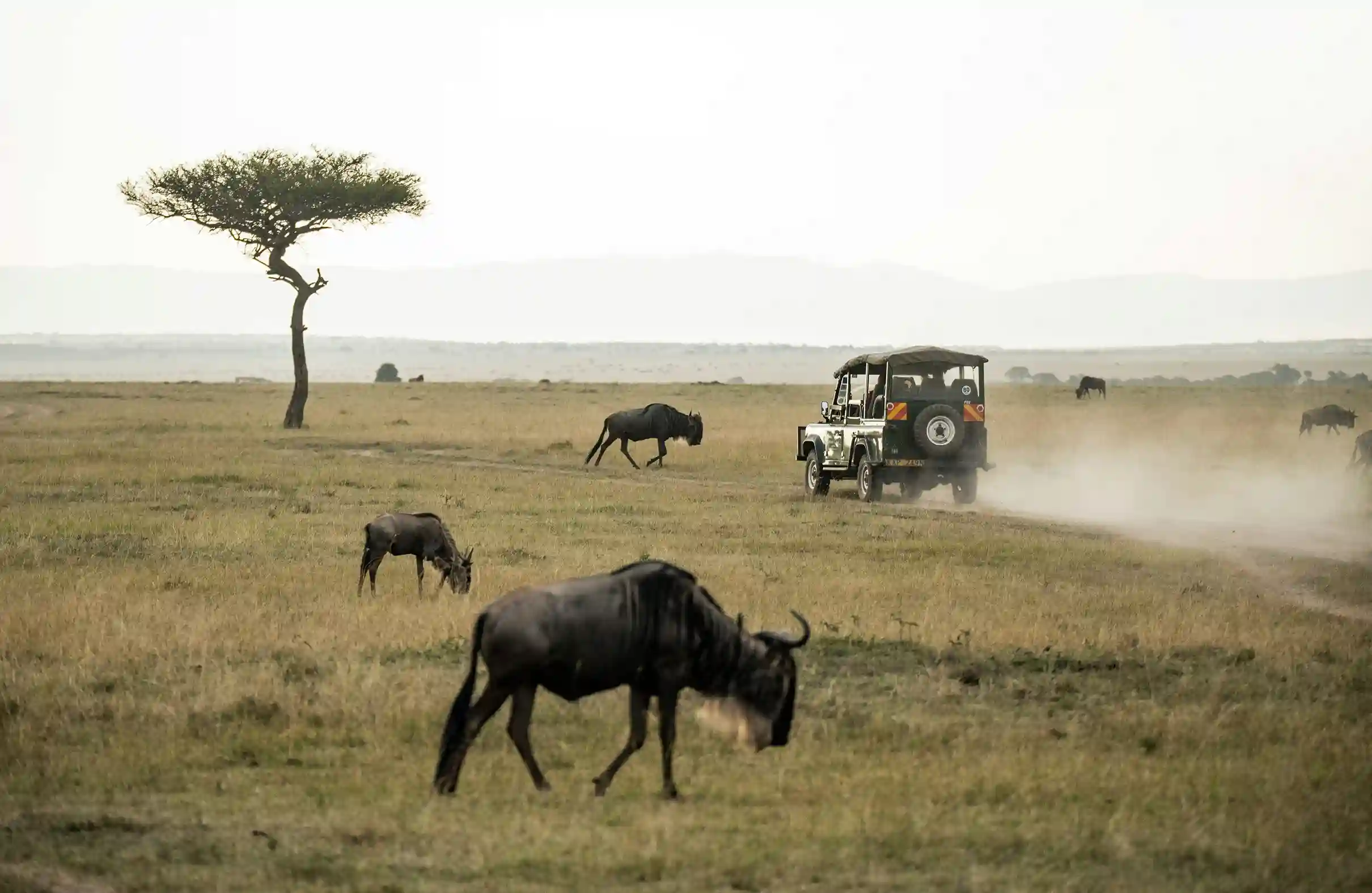
East Africa Safari Adventure: 14 Days
A 14-day trip through the most famous reserves in Kenya and Tanzania, from the vast plains of the Serengeti to the big-cat territory of the Maasai Mara. Perfect for travelers who want to experience both sides of the Great Migration.
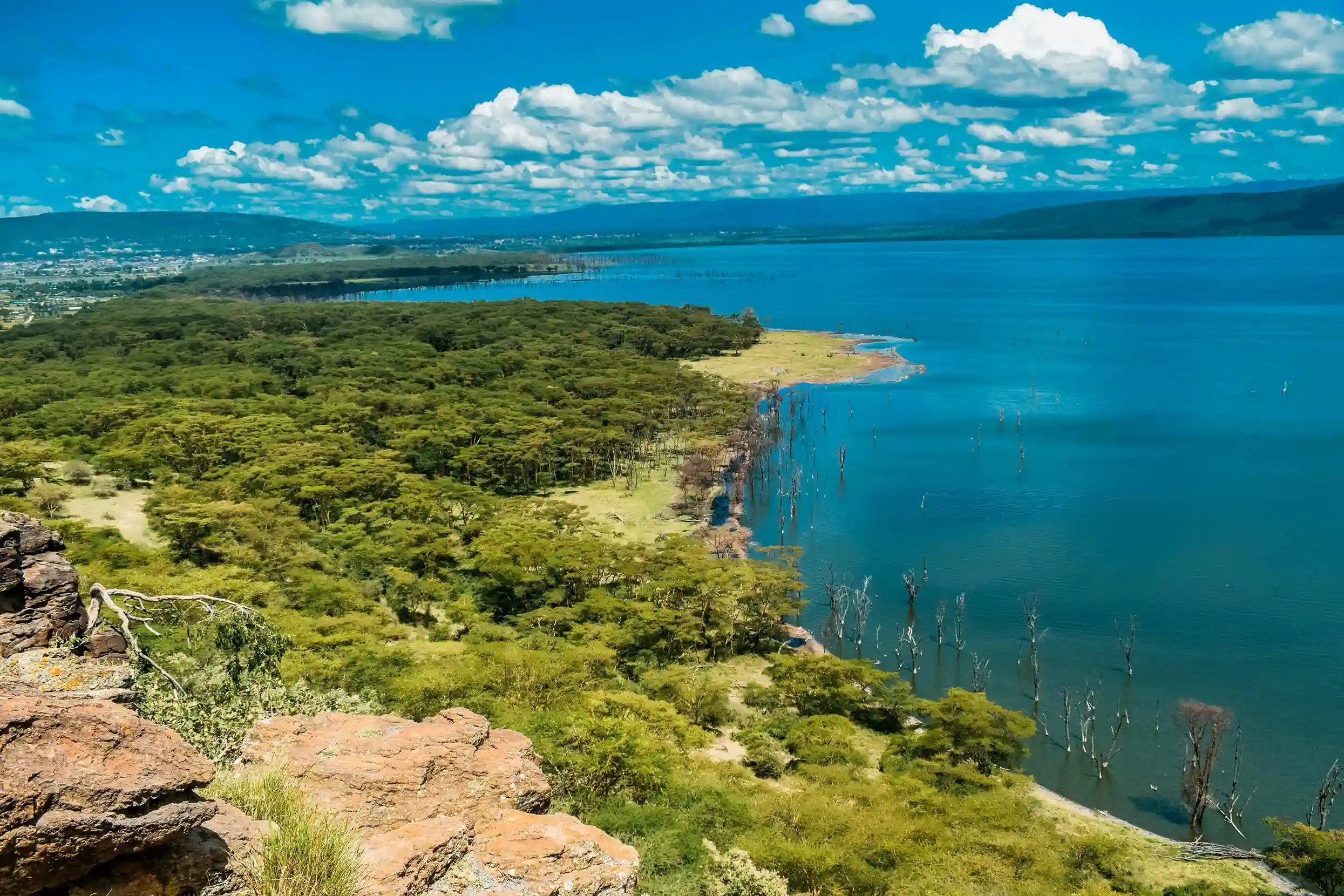
East Africa Safari and Zanzibar Escape: 17 Days
A 17-day cross-border trip that combines the Ngorongoro Crater, the Serengeti, and the Mara, culminating in a restorative beach getaway in Zanzibar. Perfect for those seeking the best safari and sea experience in East Africa.
Once you know whether Kenya or Tanzania is right for you, the next step is planning with confidence. Asking the right questions ensures your safari matches your expectations, budget, and comfort level.
Before you book, take a moment to ask your tour operator or travel planner these key questions:
These questions help you find an operator that aligns with your values and the safari experience you want.
Now that you know the main differences between a Tanzania vs Kenya safari, it’s time to start planning and think about:
Once you’ve chosen between Kenya and Tanzania (or both), use our African safari guide to plan your itinerary, understand costs, and prepare for your first game drive with confidence.
If you’re still unsure, consider requesting a personalized safari plan from a reputable operator like Group Travel Specialist or exploring itinerary packages that combine both Kenya and Tanzania.